IMPERIUM / 01 OF 36
Imperium
Imperium installs an AI Operating System in growing companies. Explore the product, the clients and the people behind ARX.
Start the introduction →

















































Imperium installs an AI Operating System in growing companies. Explore the product, the clients and the people behind ARX.
Start the introduction →The information is there. It sits across inboxes, spreadsheets, systems and the few people who know how things work, so a simple question takes days and still lands on the owner’s desk.
Imperium installs an AI Operating System that connects that knowledge. ARX gives every team one place to ask, understand and act, with the context of the business behind each answer.
Sales needs to see where deals stall, finance a cash position it can trust, and operations the next action with a name against it.
We connect the records behind those questions and build the company’s own application around them, so the answer comes back in minutes rather than days.
Company calculations from selected interviews, including targets, estimates and extrapolations. Not measured portfolio averages or audited savings.
Read the figures and methodology ↗Continuum’s recruitment OS is scoped around a problem every growing group recognises: receiving applicants, screening them and agreeing the next step with each hiring team. Bringing those stages into one shared workflow gives every handover an owner and keeps each decision with the people responsible for recruitment.
BDL’s engagement brings owner reporting and revenue management into one picture of the portfolio. The work starts with the information the business already holds, then connects it to the reports and decisions property owners depend on, staged around the business’s operating priorities.
Explore client work ↗Trident Treehouse set out to cut the manual procedures and spreadsheet work that kept advisers away from their clients. Client knowledge becomes the context for research and preparation, so the information behind each relationship is ready before the conversation starts, and more of every adviser’s day goes to the person they are advising.
View full story ↗Imprint Genius describes a central OS that knows the business and its content, connects its apps and turns questions into presentations and finished work. Company knowledge travels with each task instead of being pieced together again in every tool, which is what makes the OS part of the team’s daily workflow rather than one more thing to check.
View full story ↗The tools differ, but the problems repeat: knowledge scattered across teams, reports that take days and work that waits on one person.
Our company and team experience spans property, hospitality, retail, technology and professional services.
Selected company and team experience, including earlier professional relationships.
Questions from the people doing the work shape the product: visibility, accountability, adoption and time returned to the team.
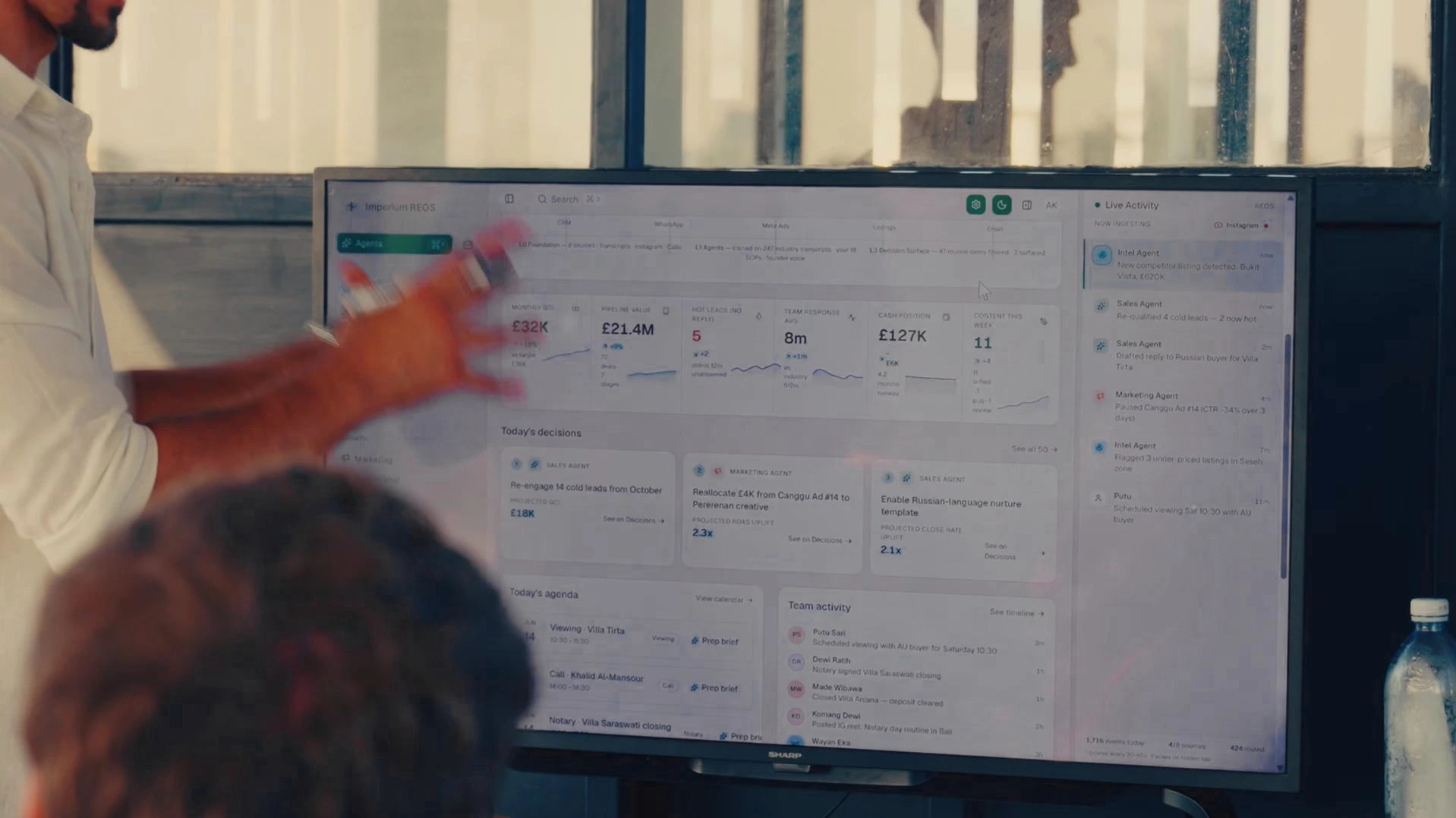
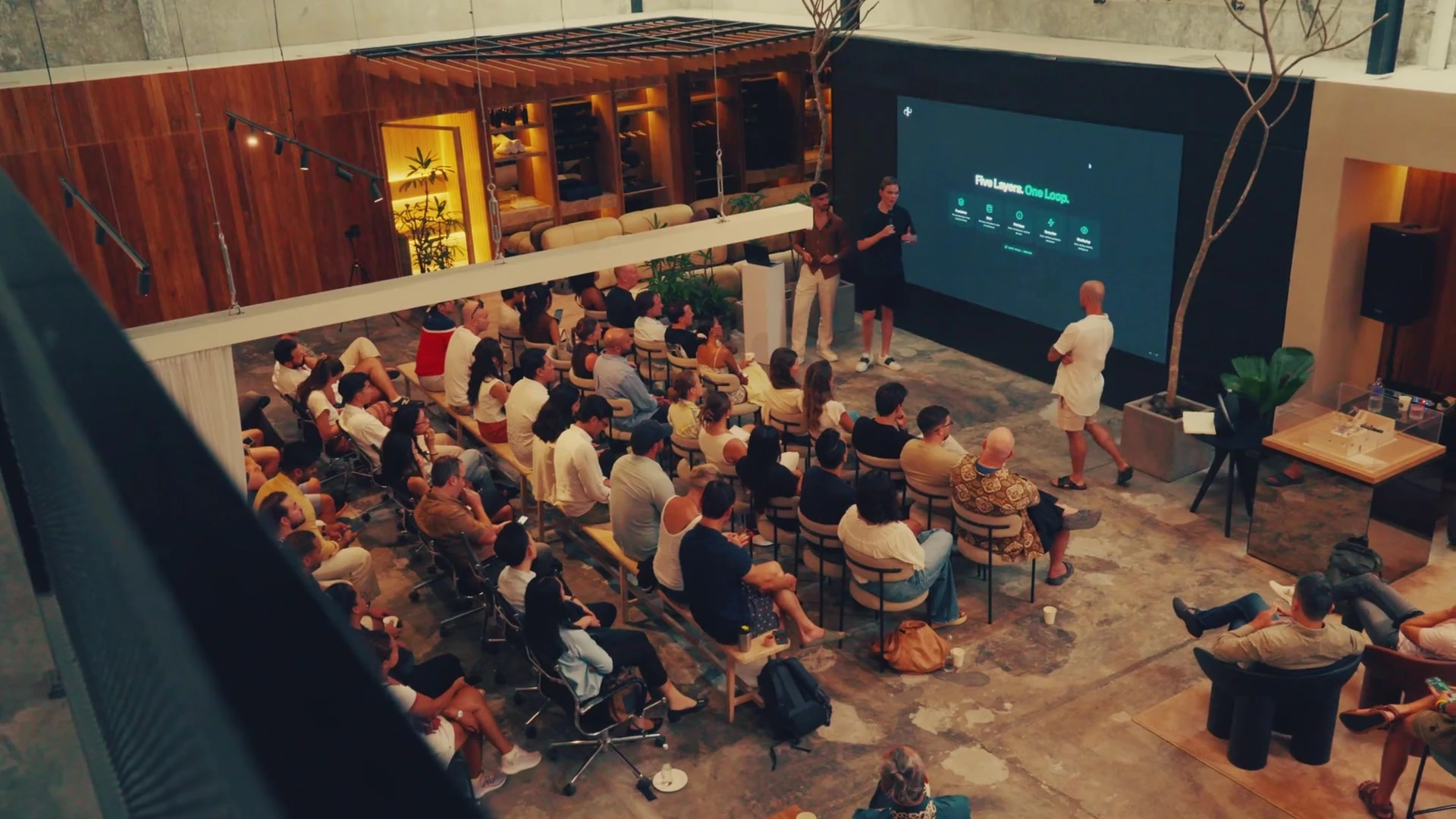
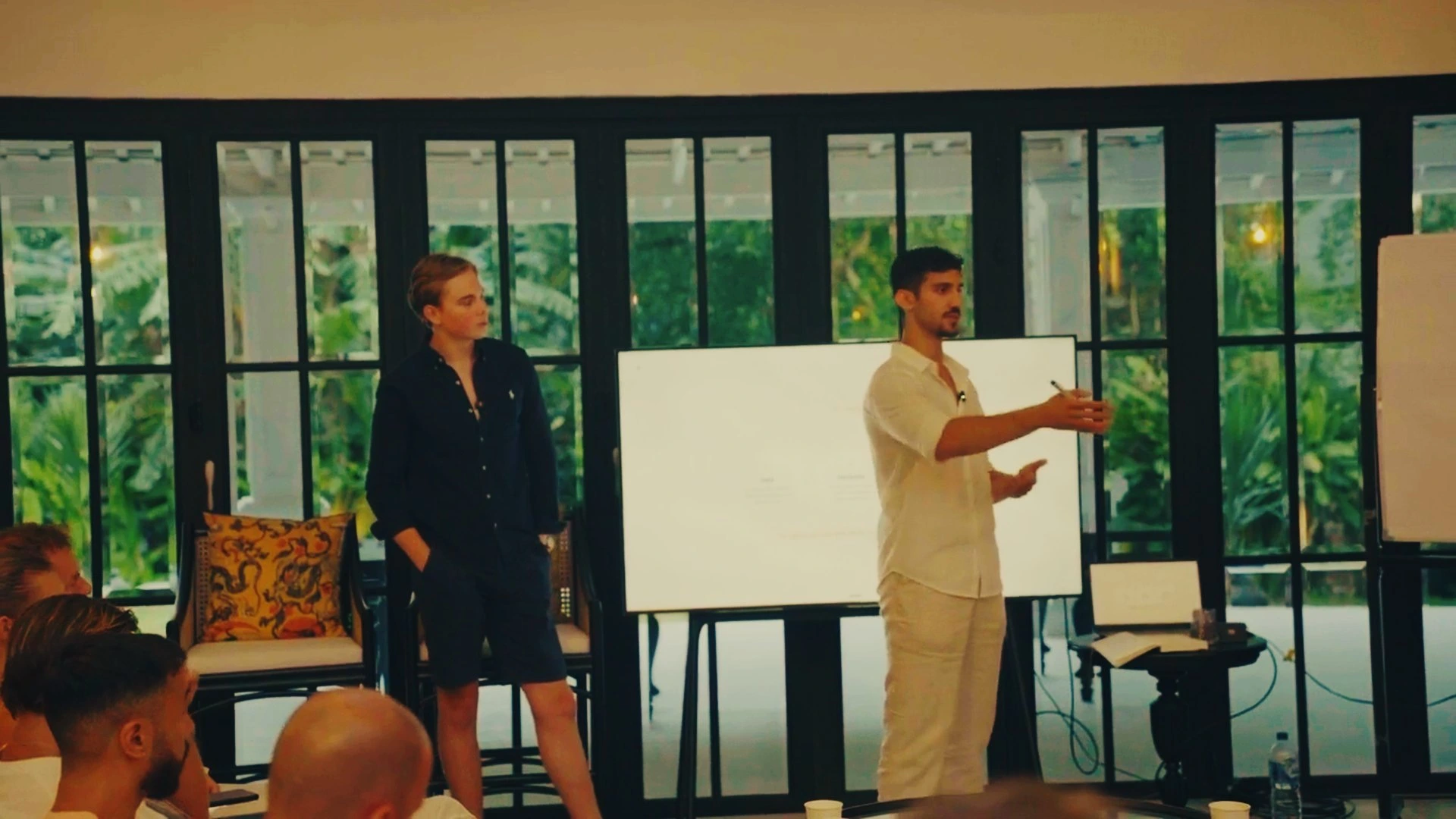
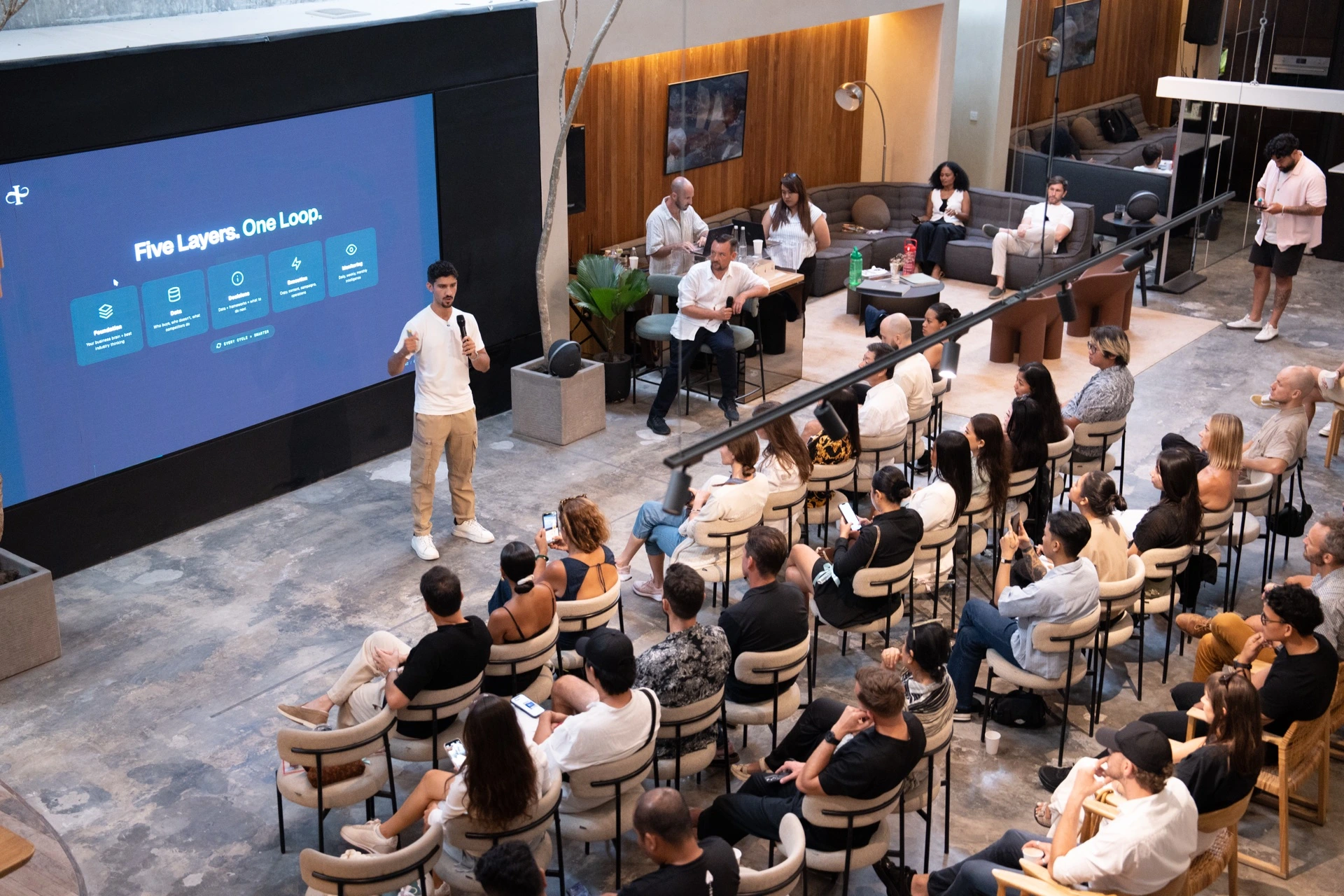
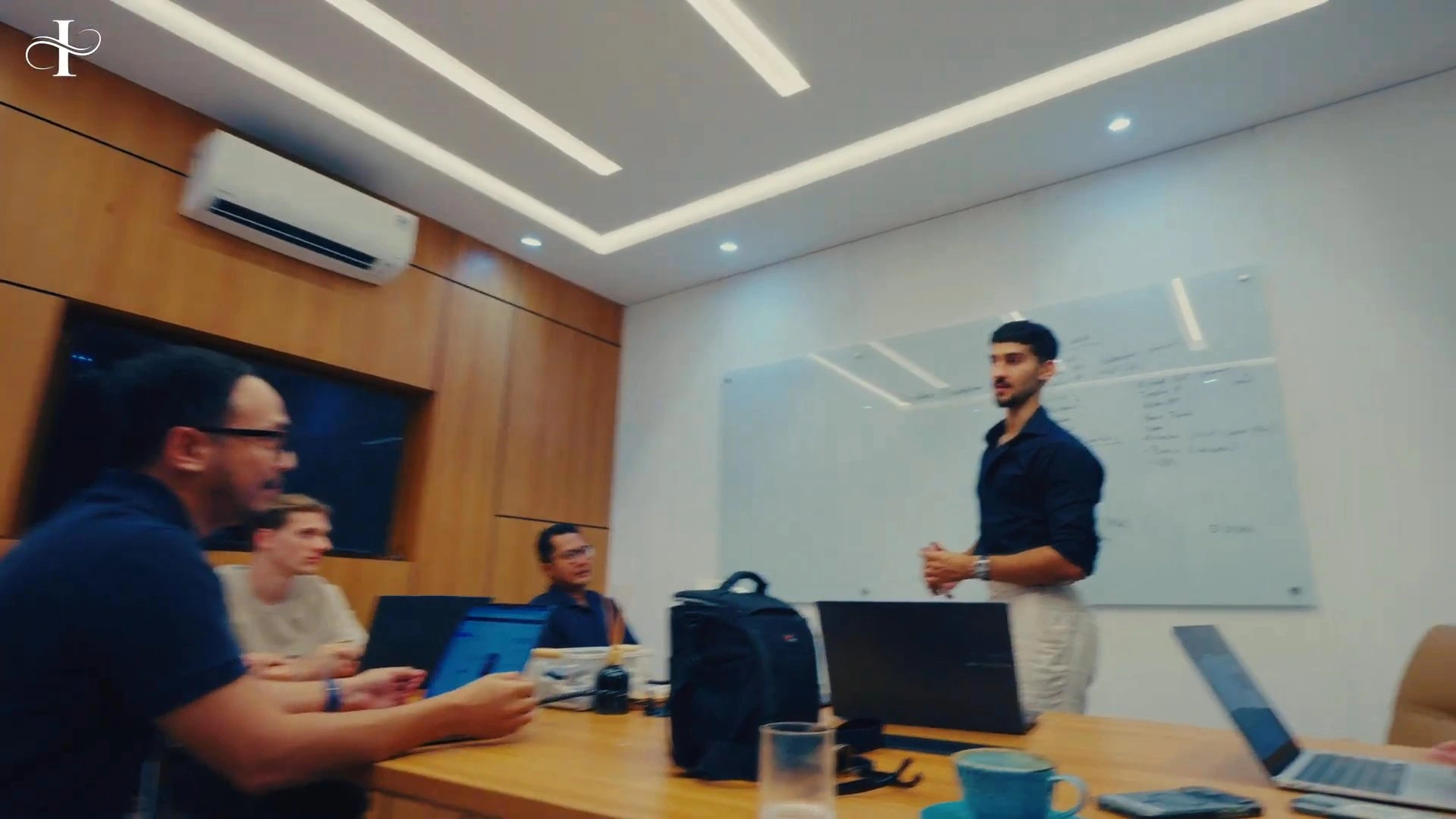
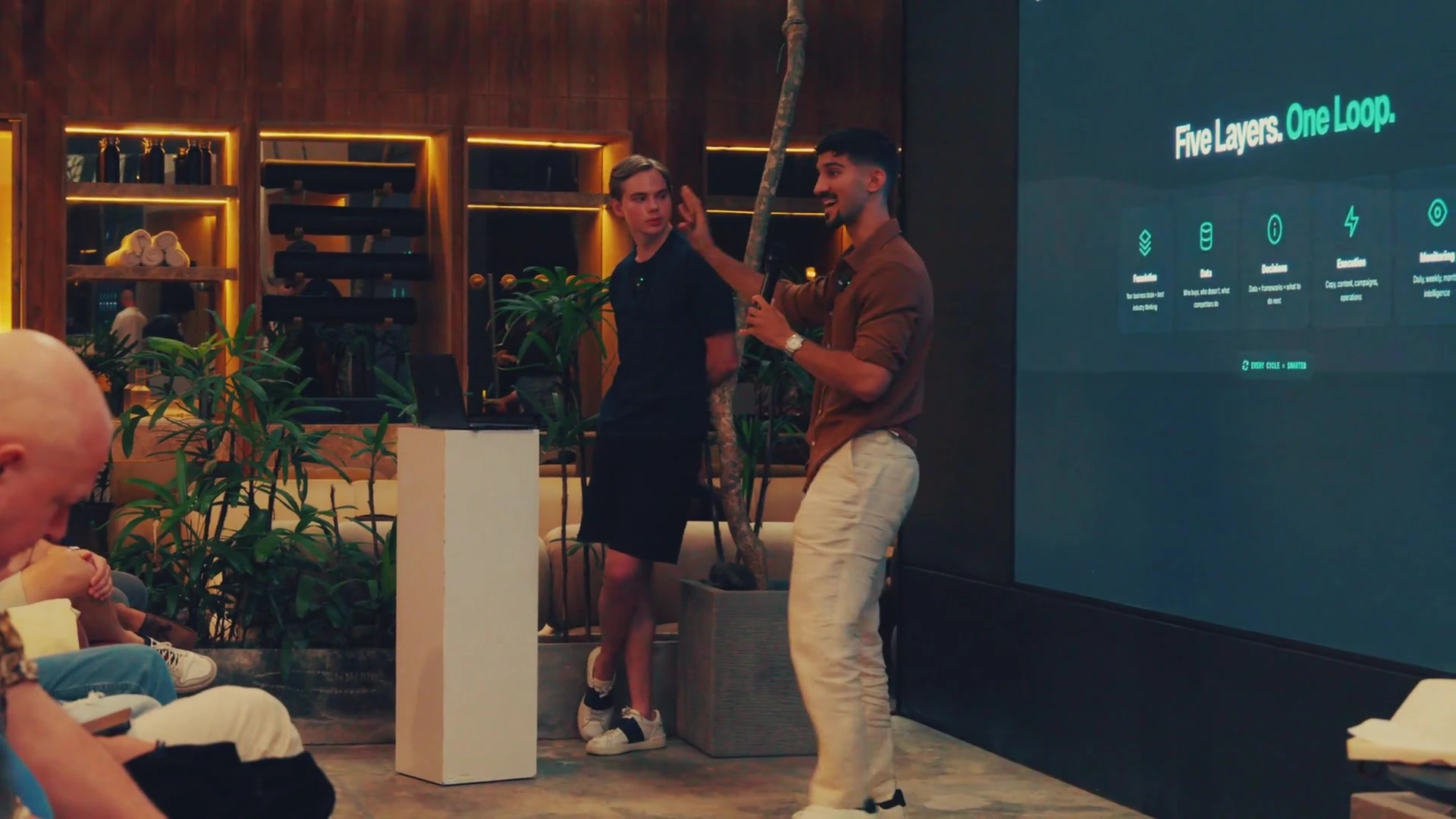
Live presentation · bringing AI into the operating conversation
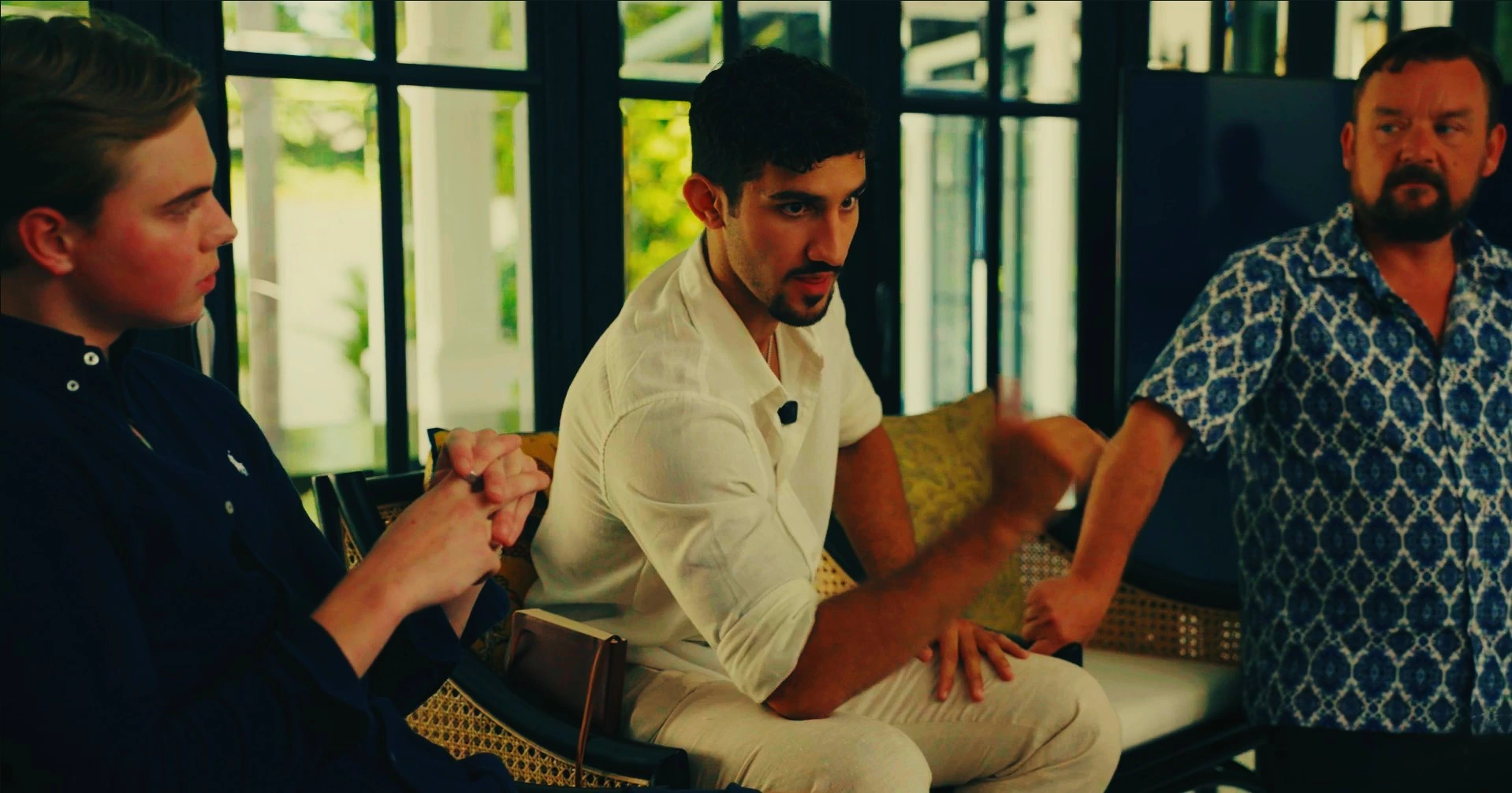
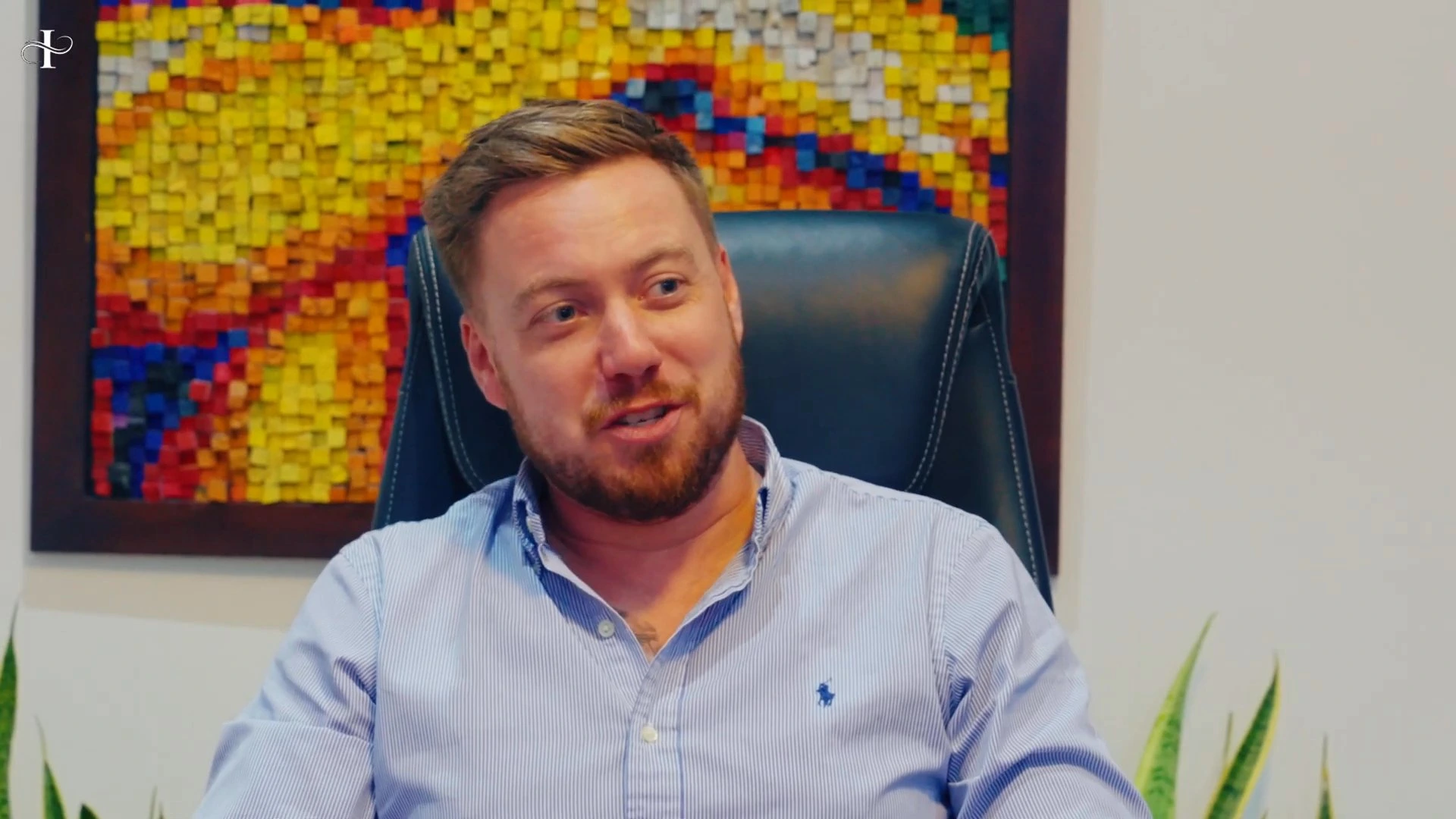
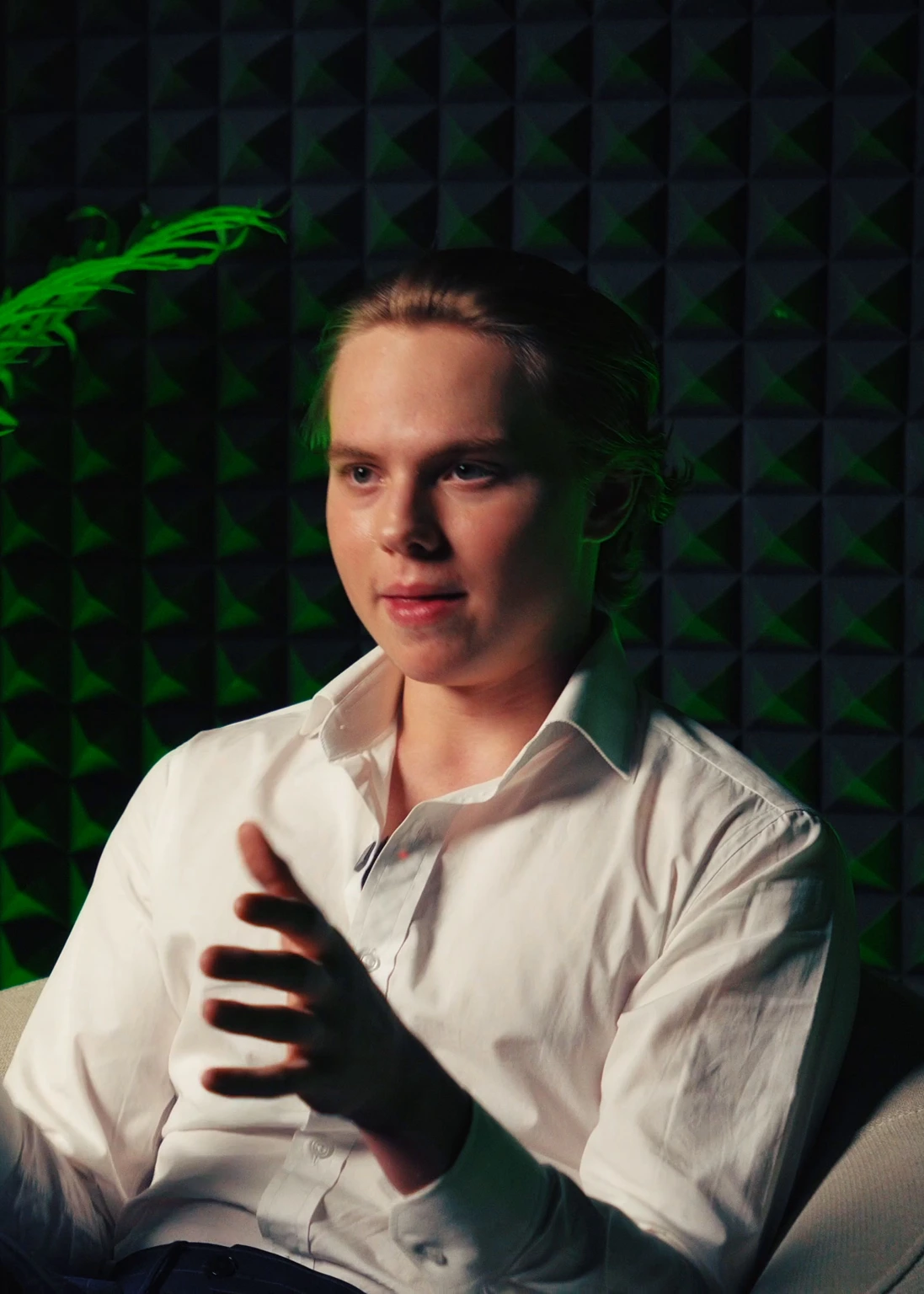
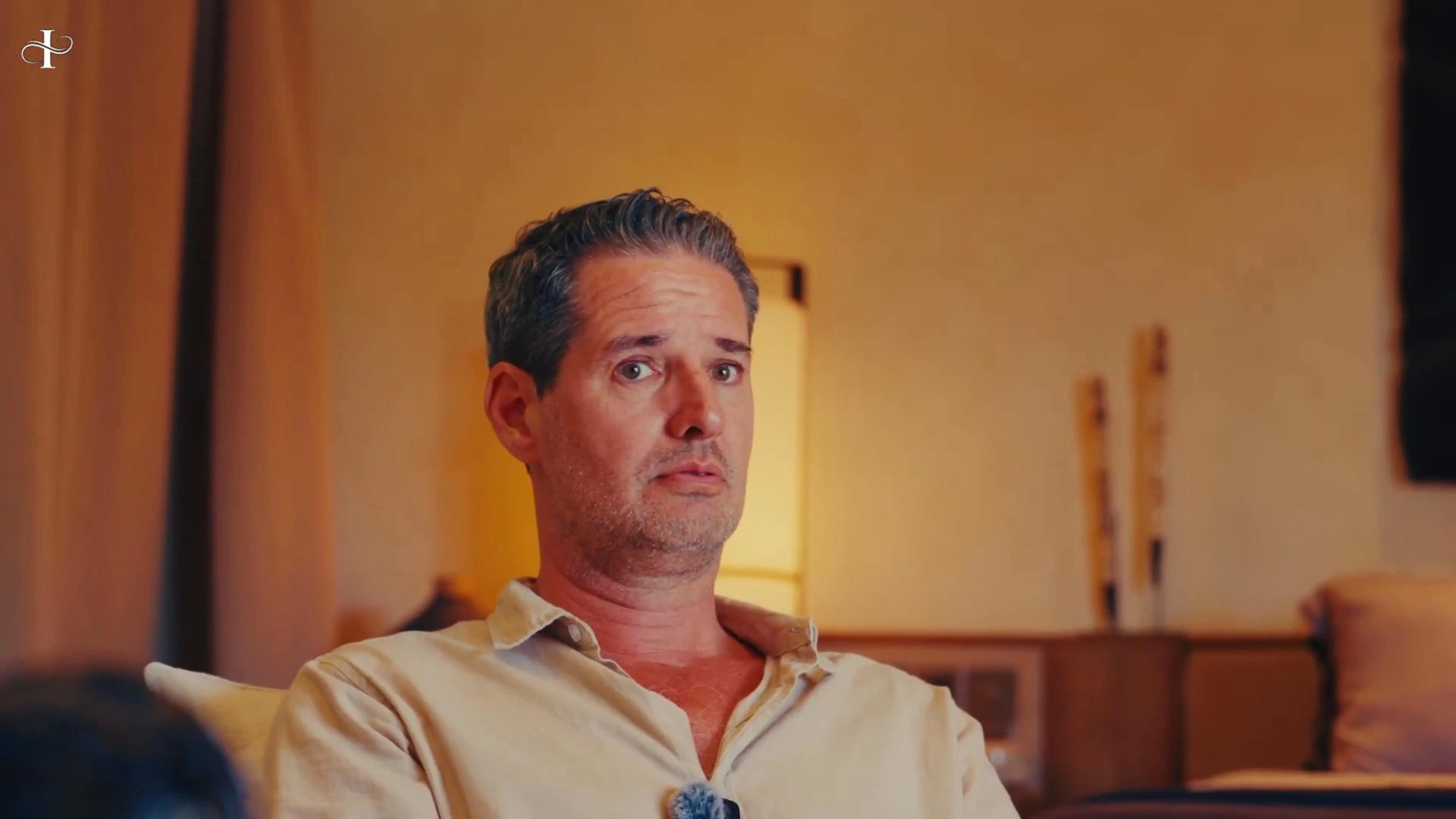
Recorded conversation · questions before tools
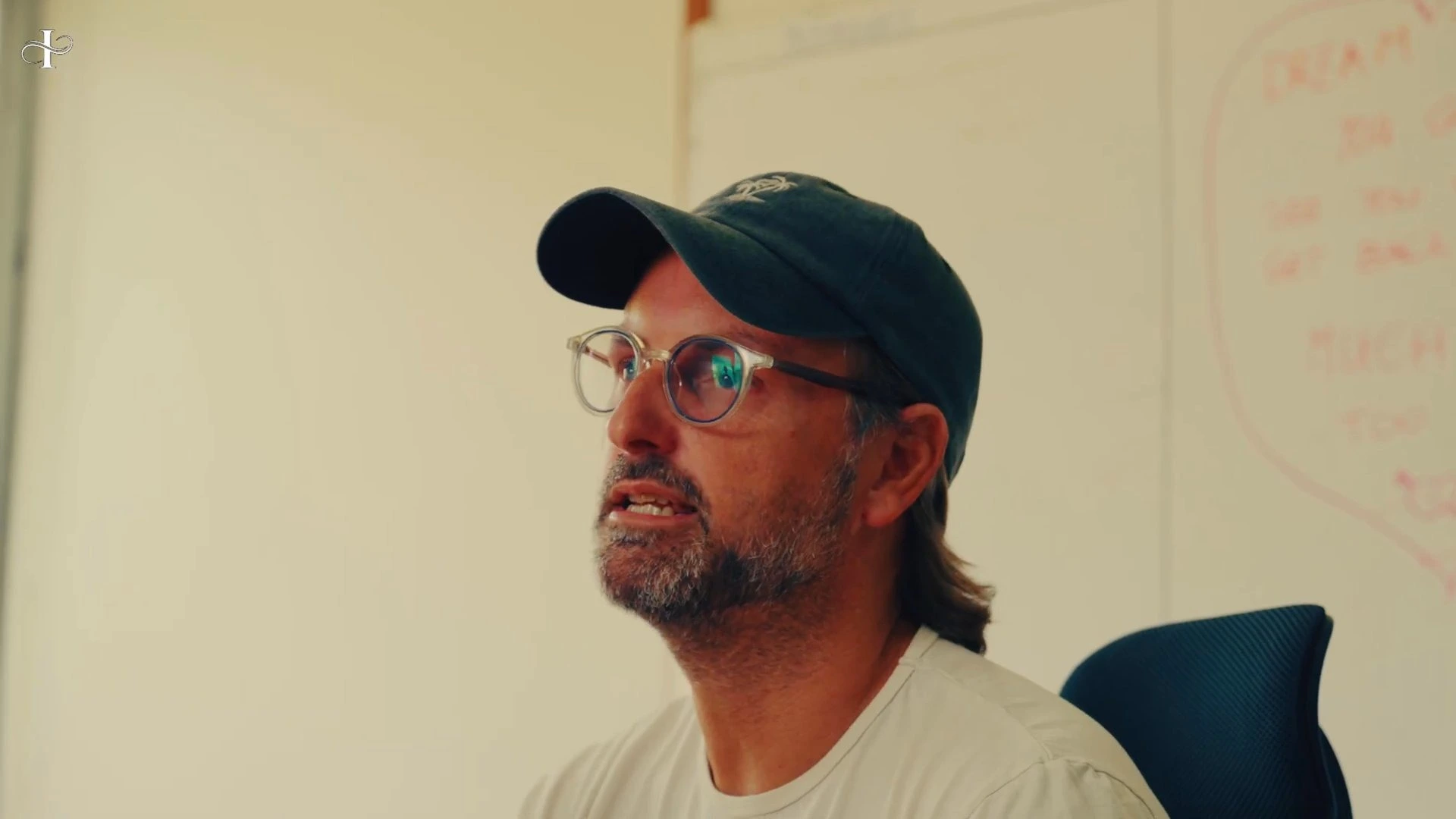
Talking through where the work stalls
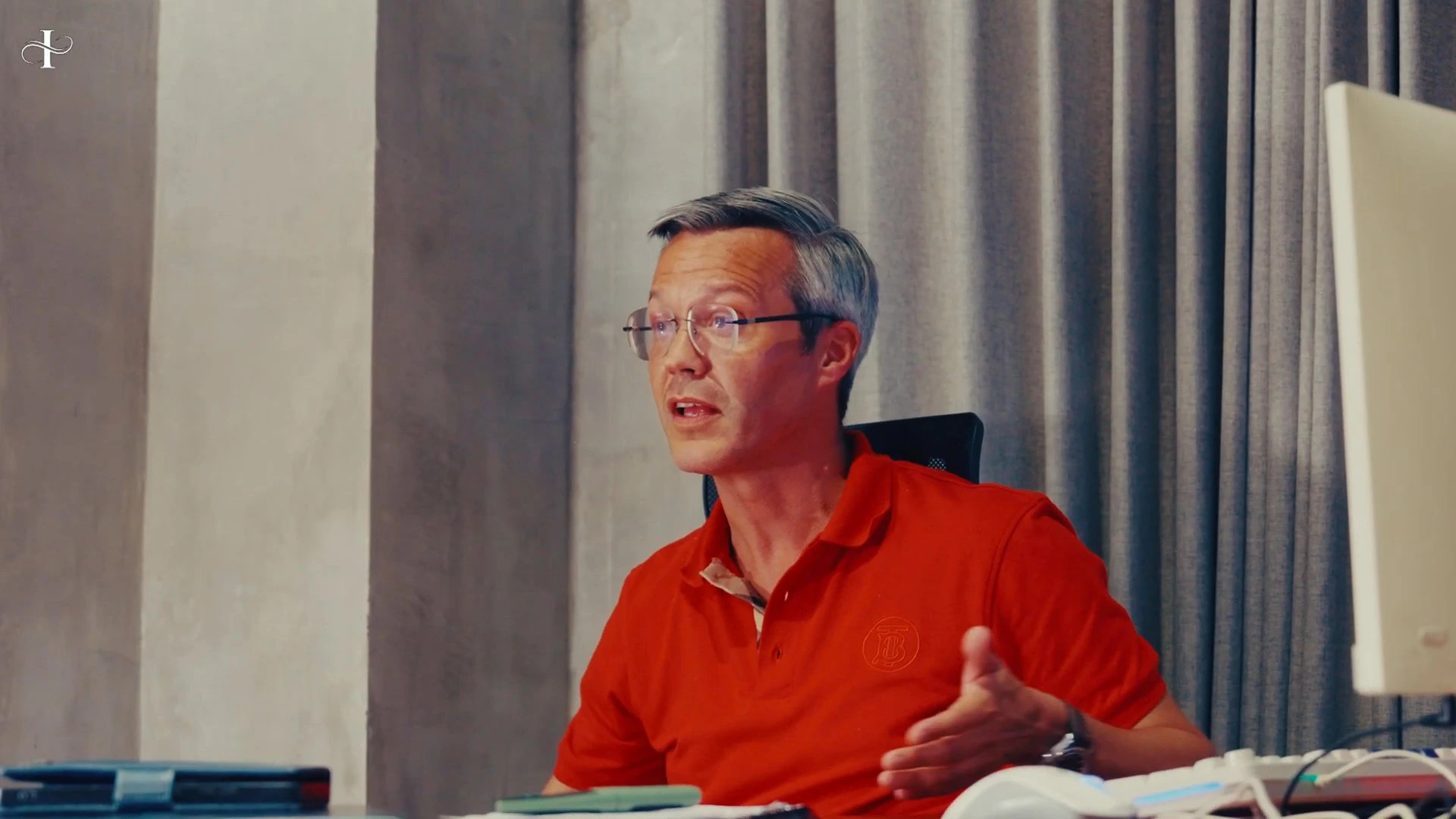
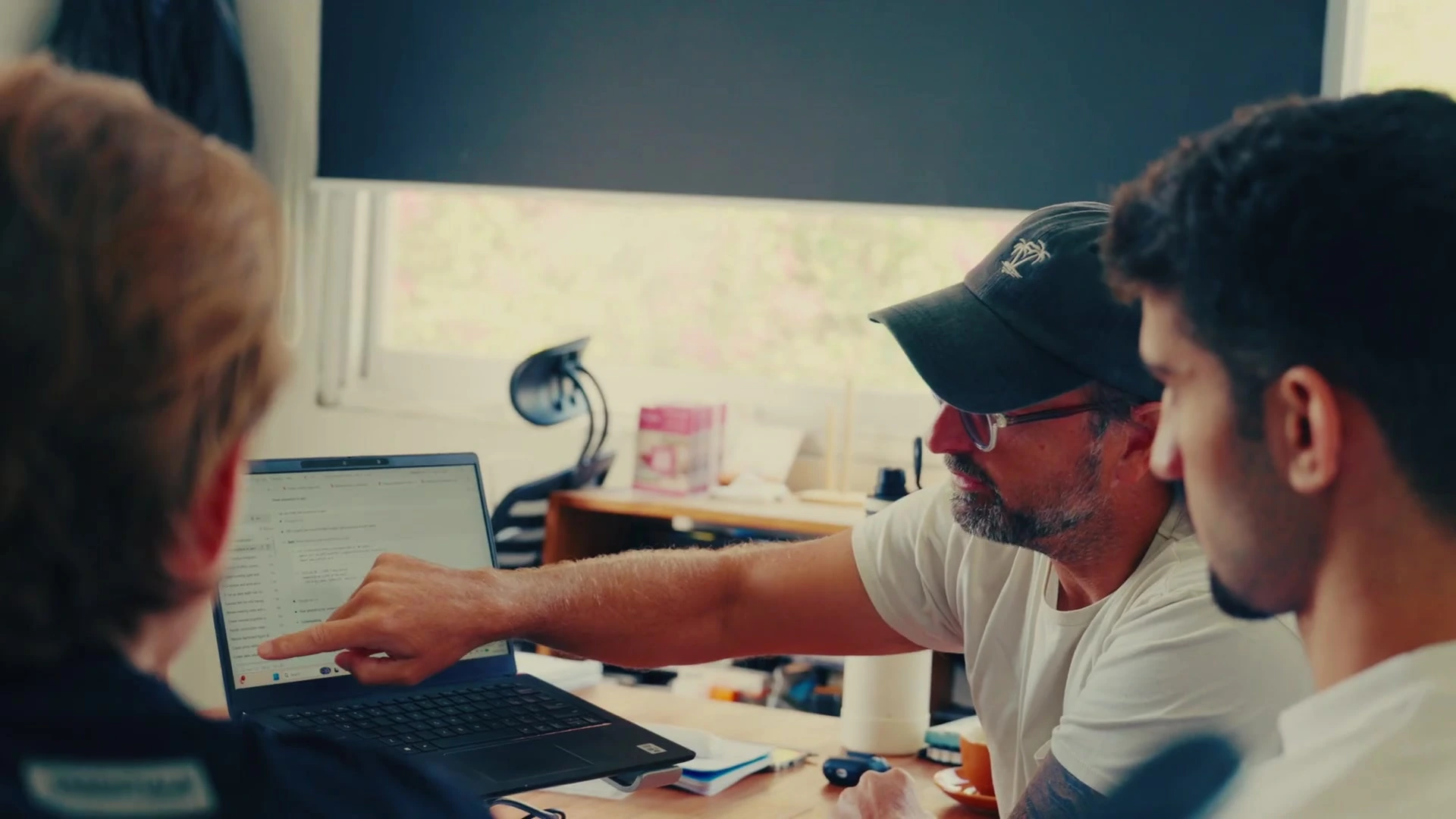
Listening to how the work really runs
Learning alongside business owners
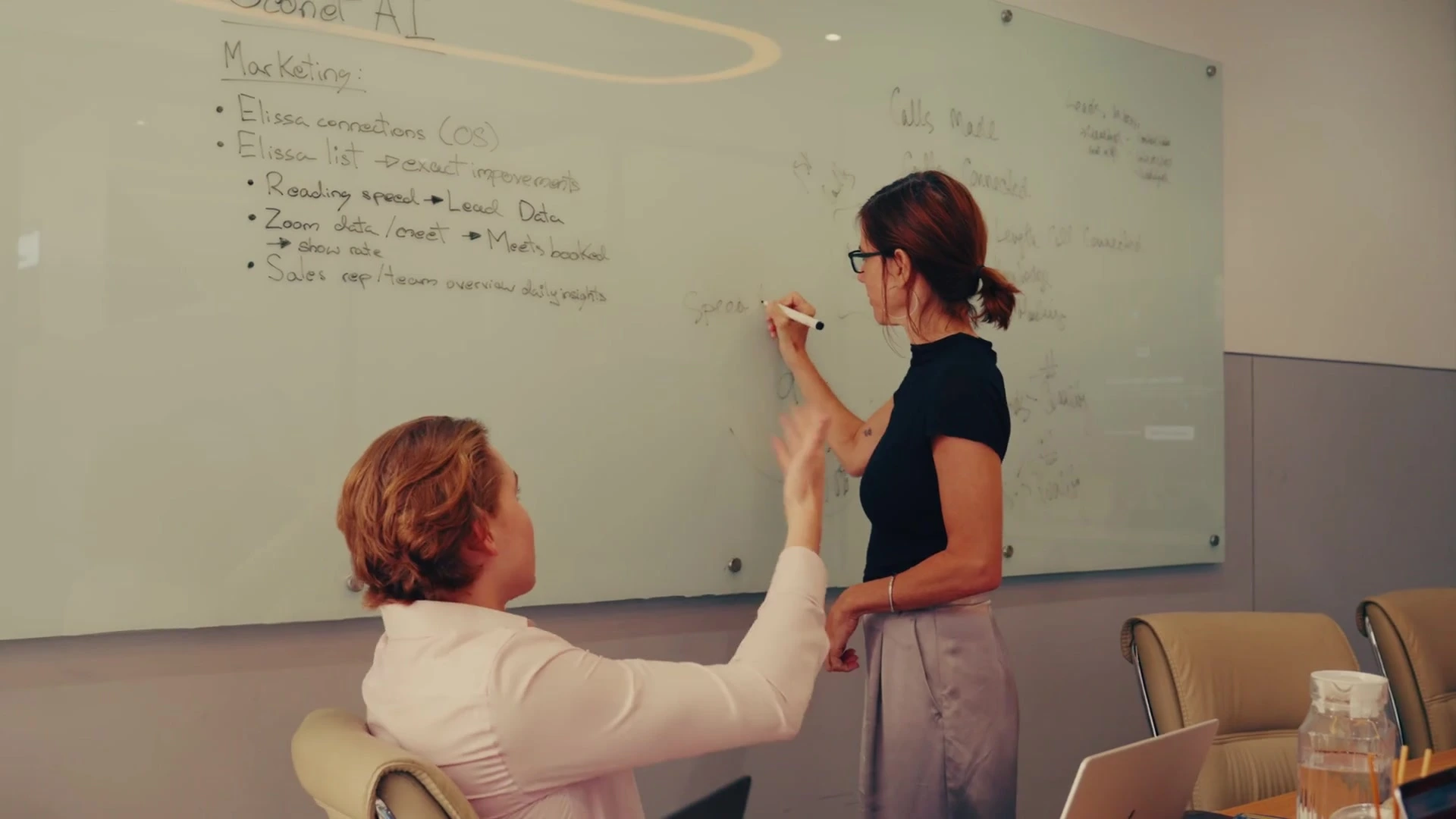
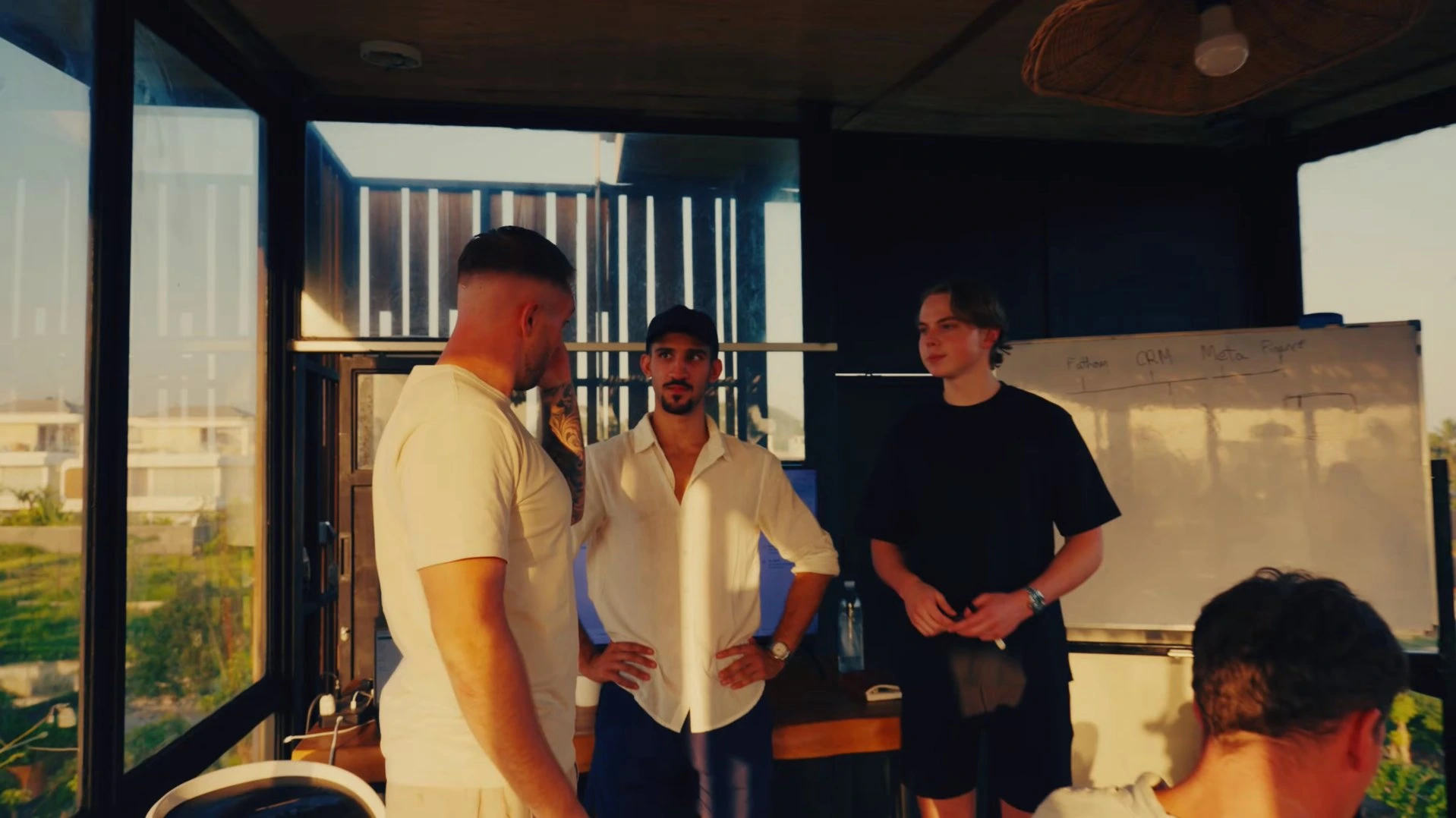
Workshop · from questions to decisions
Every record is linked to the customers, projects, people and decisions it belongs to.
Files, messages and business systems provide the raw material.
Customers, projects, invoices, people and knowledge are connected through shared definitions and relationships.
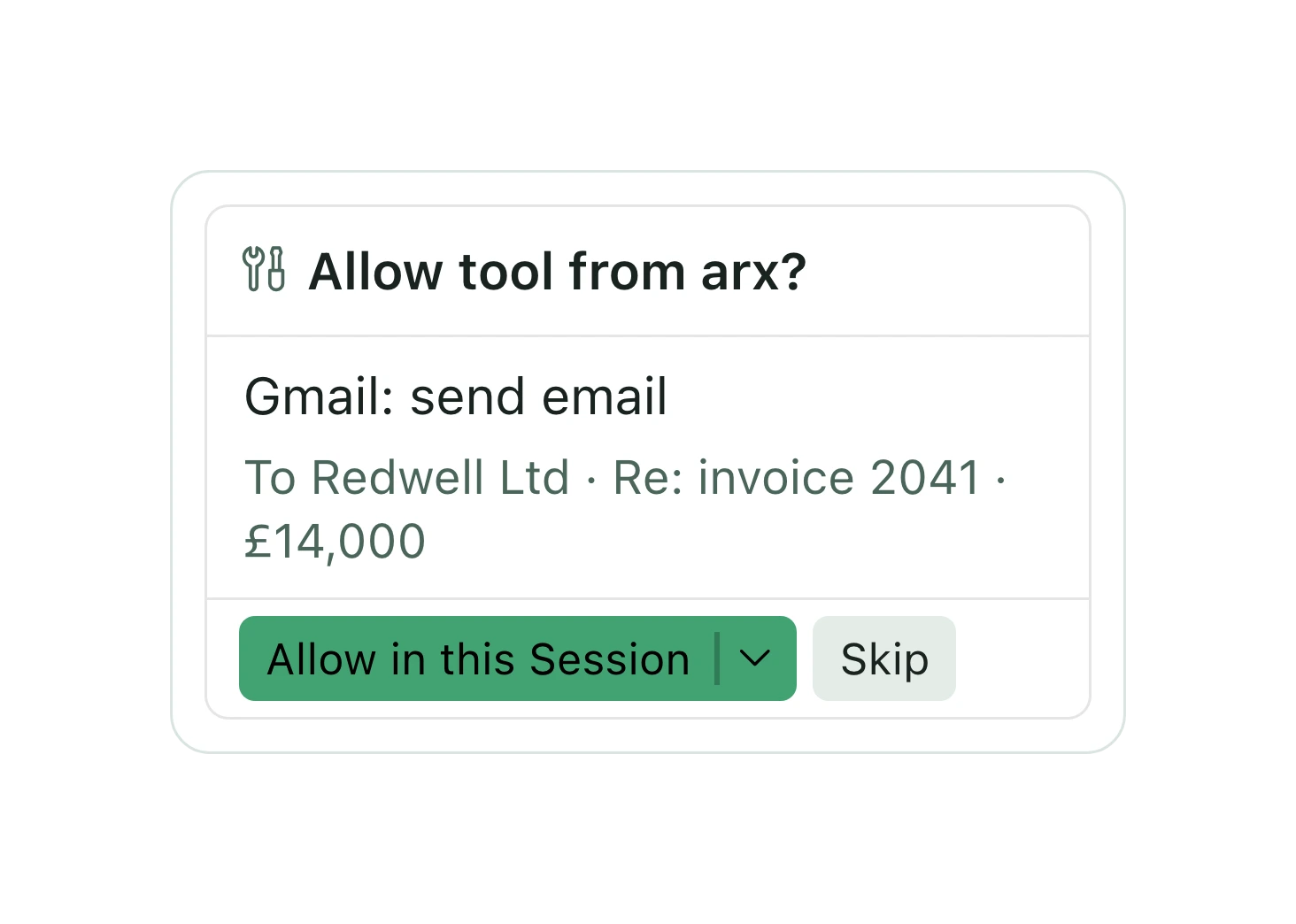
Ask with context. Review the evidence and a proposed action before it reaches a connected tool.
How the AI OS works ↗The same foundation, configured around each team’s priorities.
Pipeline, follow-up and opportunity context
Campaign evidence and creative work
Cash, invoices and commitments
Processes, exceptions and owners
Recruitment and shared knowledge
The company’s operating picture
An engagement organised around applicant intake, screening and coordination with hiring teams. The workflow starts with a defined operational bottleneck.
View full story ↗Bring research and client context together so advisers can spend less time on manual procedures and more time understanding the person in front of them.
View full story ↗Connect owner reporting and revenue-management work around a property business, with delivery staged against its operating priorities.
View full story ↗GeoNet works across property development, sales and marketing. Its OS brings the company’s knowledge into the day-to-day decisions of its leadership team, connecting the information behind advertising performance, operating plans and the work moving through the organisation.
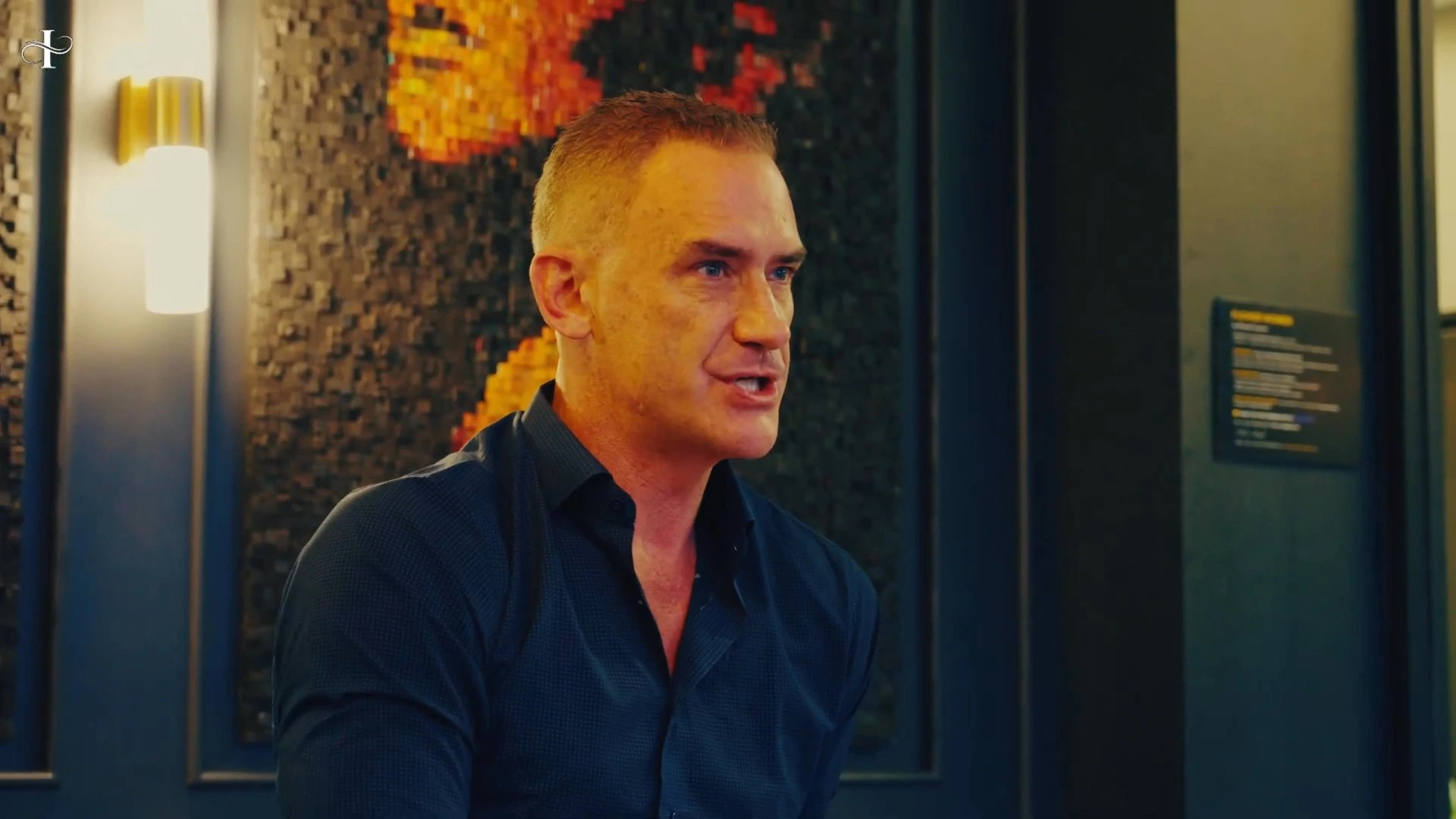
“It was understanding what was giving us a return on our advertising expense, where people were working effectively, and getting the information through the organisation as well.”
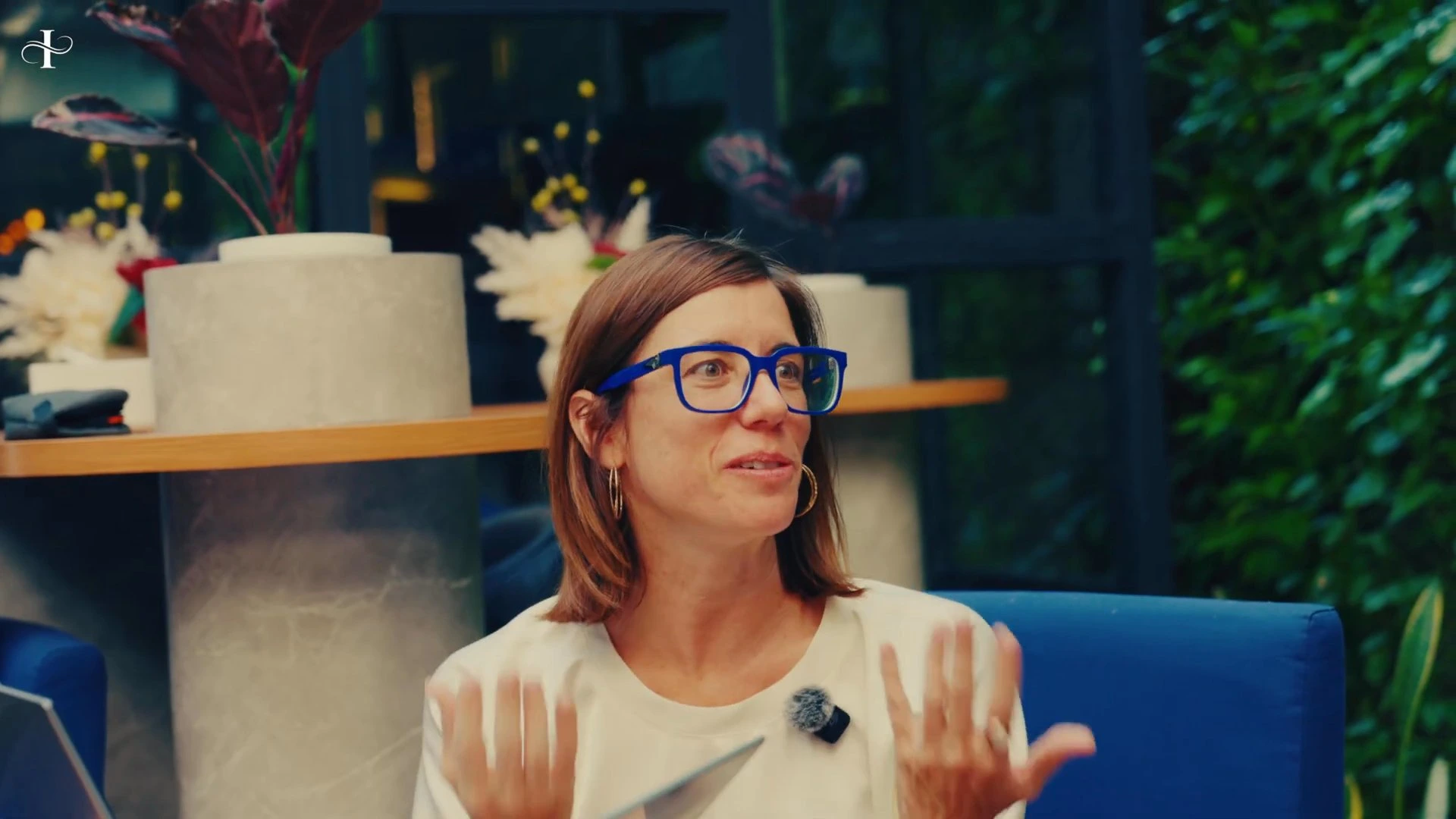
Watch Chad’s conversation ↗ ↗Elissa Doyle, CMO, describes analysing a campaign, finding gaps and developing 25 creative concepts in 30 minutes. The OS brought several analytical roles into one working conversation.
Watch Elissa’s conversation ↗ ↗For Alberto Furger, the starting point is the client relationship. Reducing manual procedures and spreadsheet work creates room to understand each person’s needs, with company knowledge supporting the research and preparation around that conversation.
View full story ↗Owner reporting and revenue management share one operating picture. The installation connects the property business’s information to the reports and decisions its team needs, with delivery staged around those priorities.
View full story ↗Founder · Trident Treehouse
Founder · BDL
A property-management business needs reporting, revenue work and owner communication to share the same context.
View full story ↗Chief Operating Officer · GeoNet
A leadership role depends on knowledge that can move between financial models, plans, presentations and the people making decisions.
View full story ↗ARX is where the team works with its AI OS. Company knowledge, dashboards and connected tools sit in one working environment, configured around the business rather than around each tool.
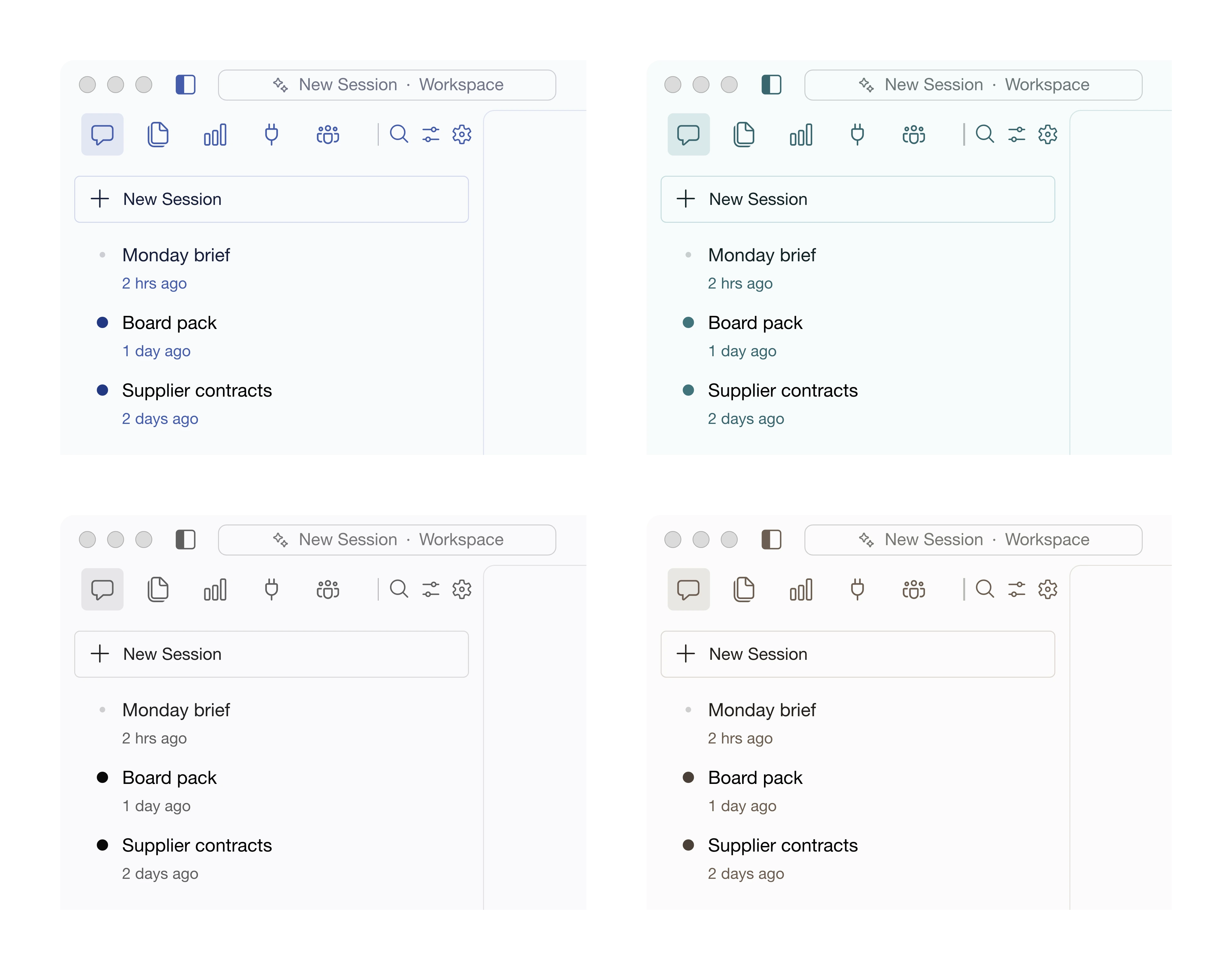
A company-specific desktop workspace, with mobile availability agreed for each deployment and a Chrome extension in private preview.
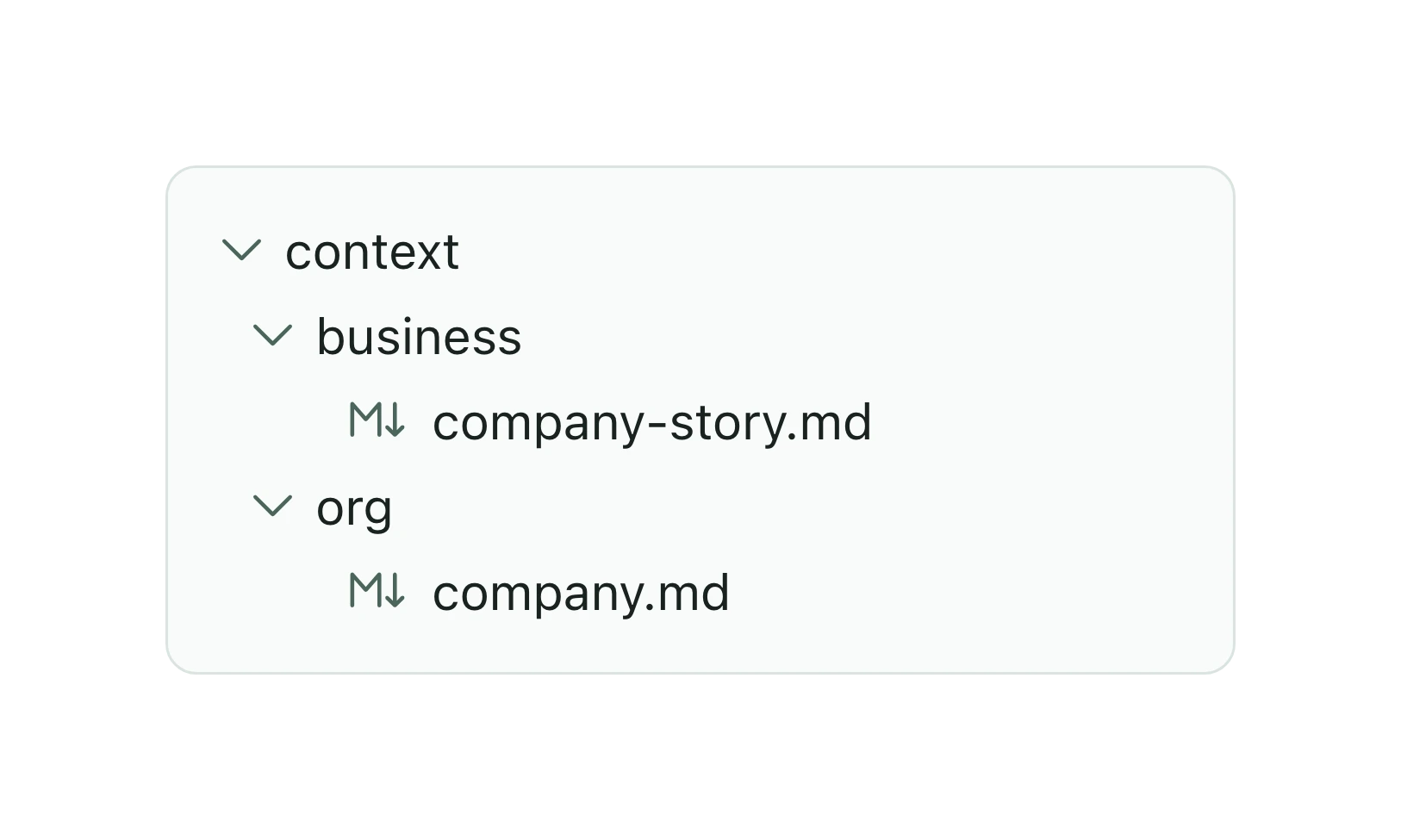
Company context sits behind the questions, dashboards and work your team prepares.
Choose from the catalogue and authorise only the tools your installation needs.
OpenAI and Claude models support the working environment. Self-hosted options, including DeepSeek, require assessment for each installation.
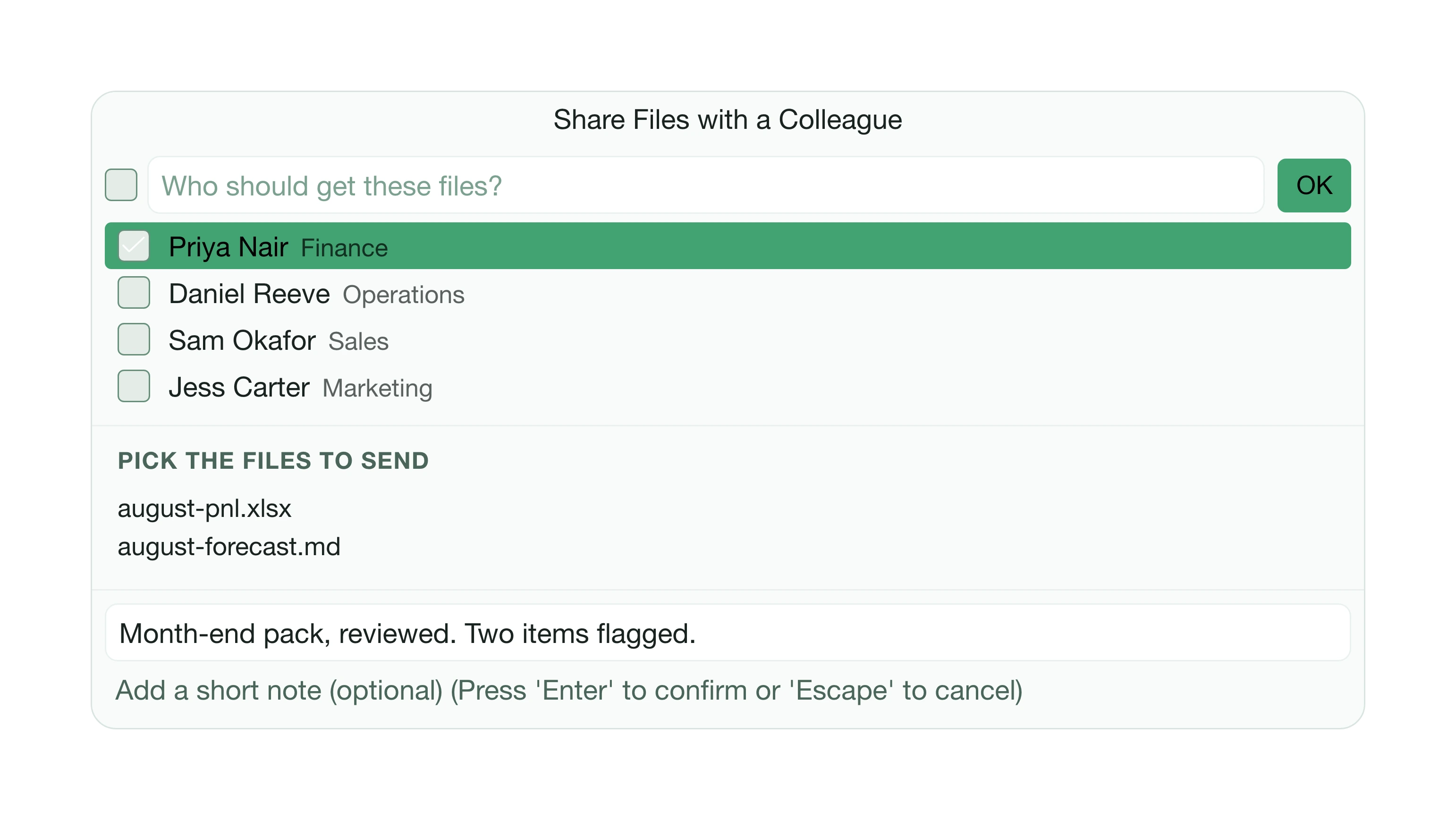
Work with business measures, inspect what needs attention and share useful work with the team.
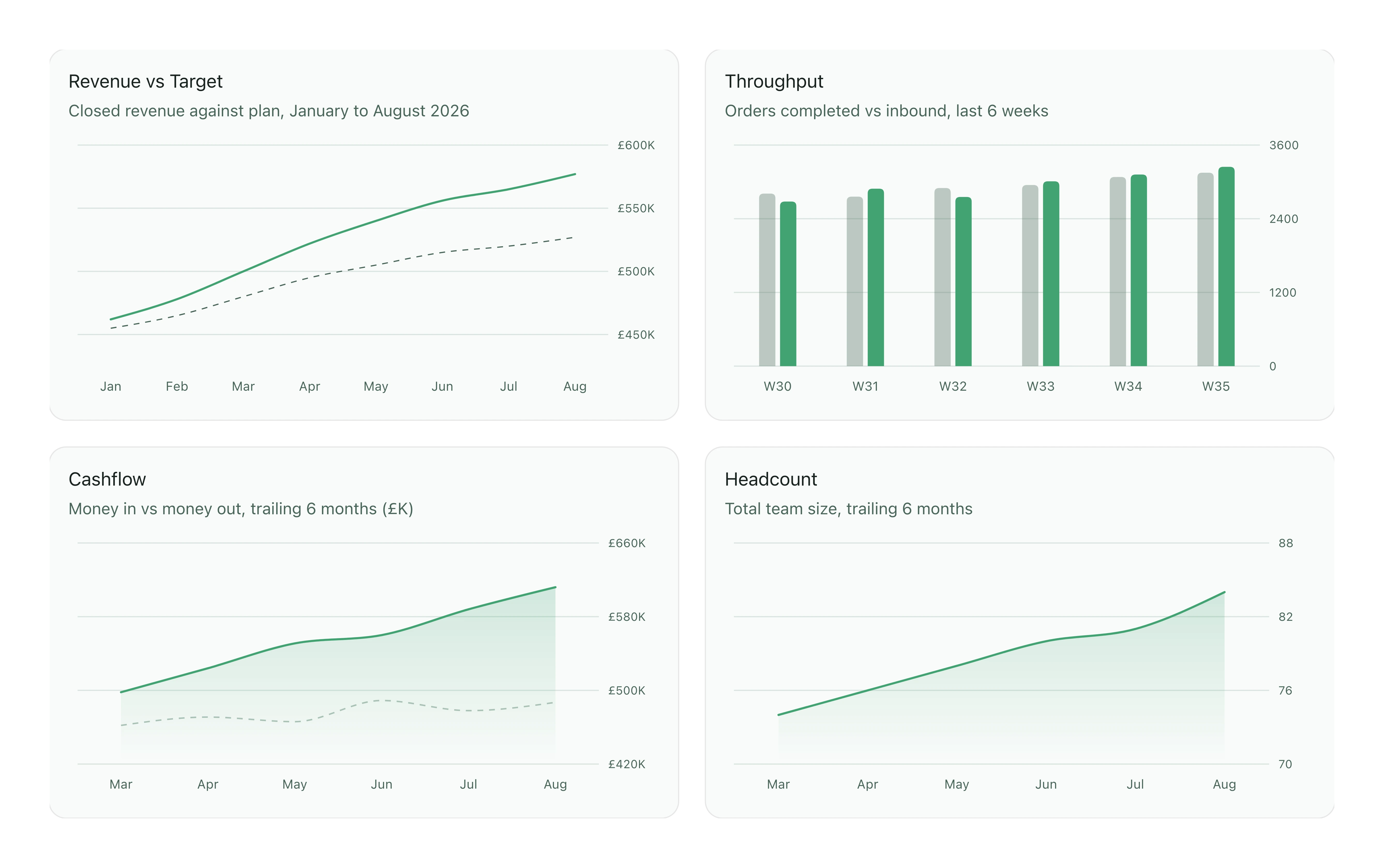
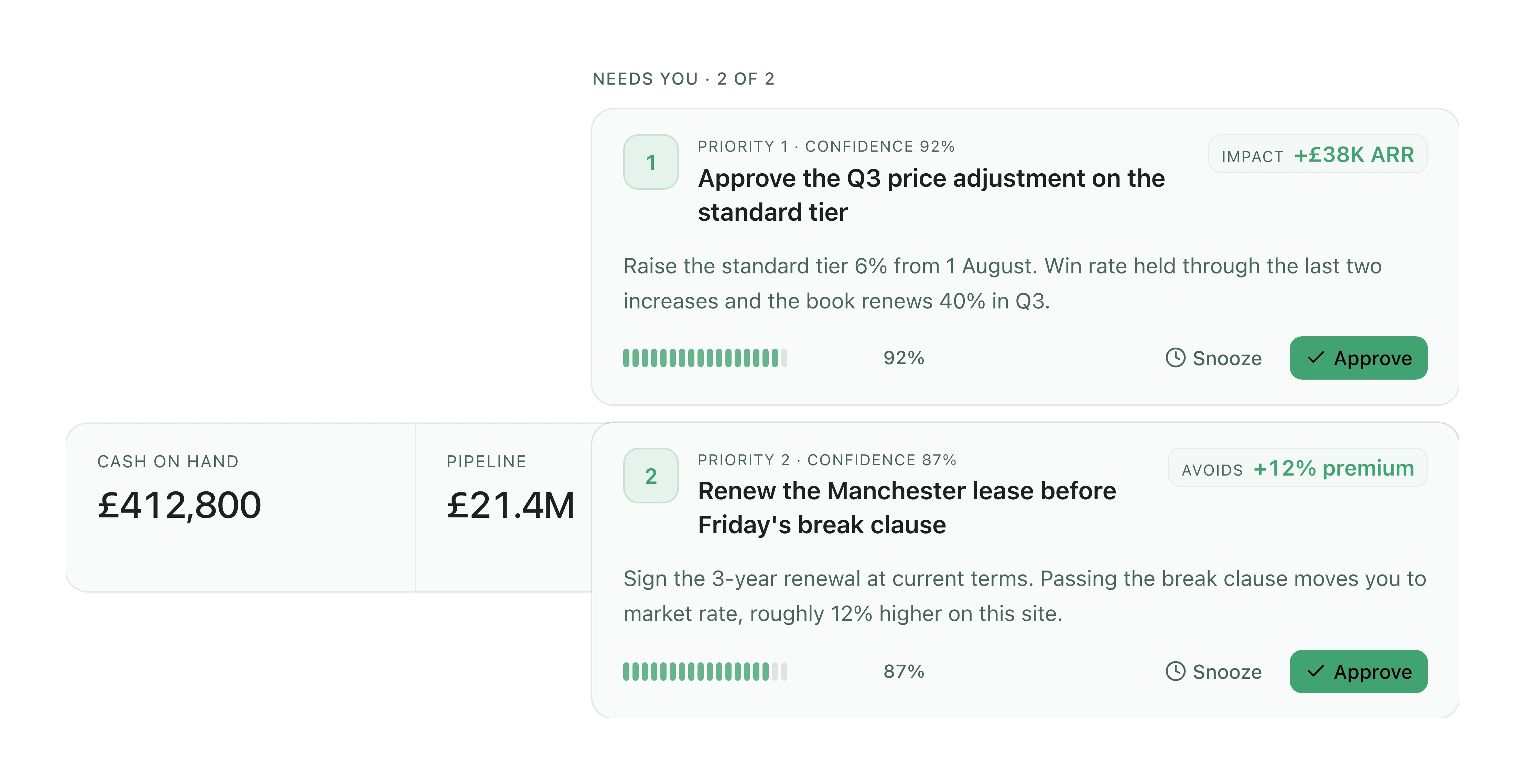
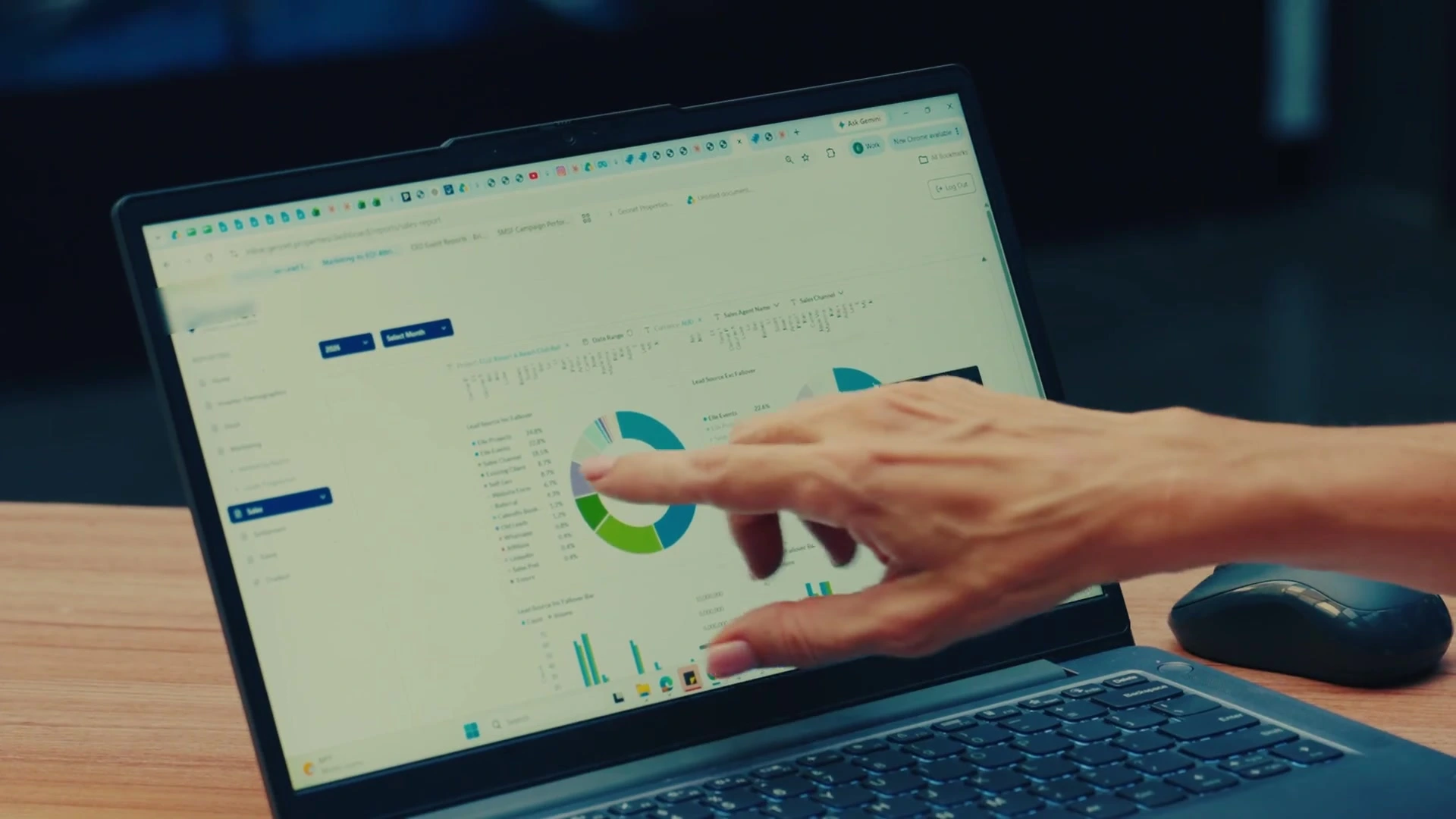
The owner should see the number without waiting days for a report. Your company’s measures sit beside their sources, the work behind them and the people responsible for moving them.
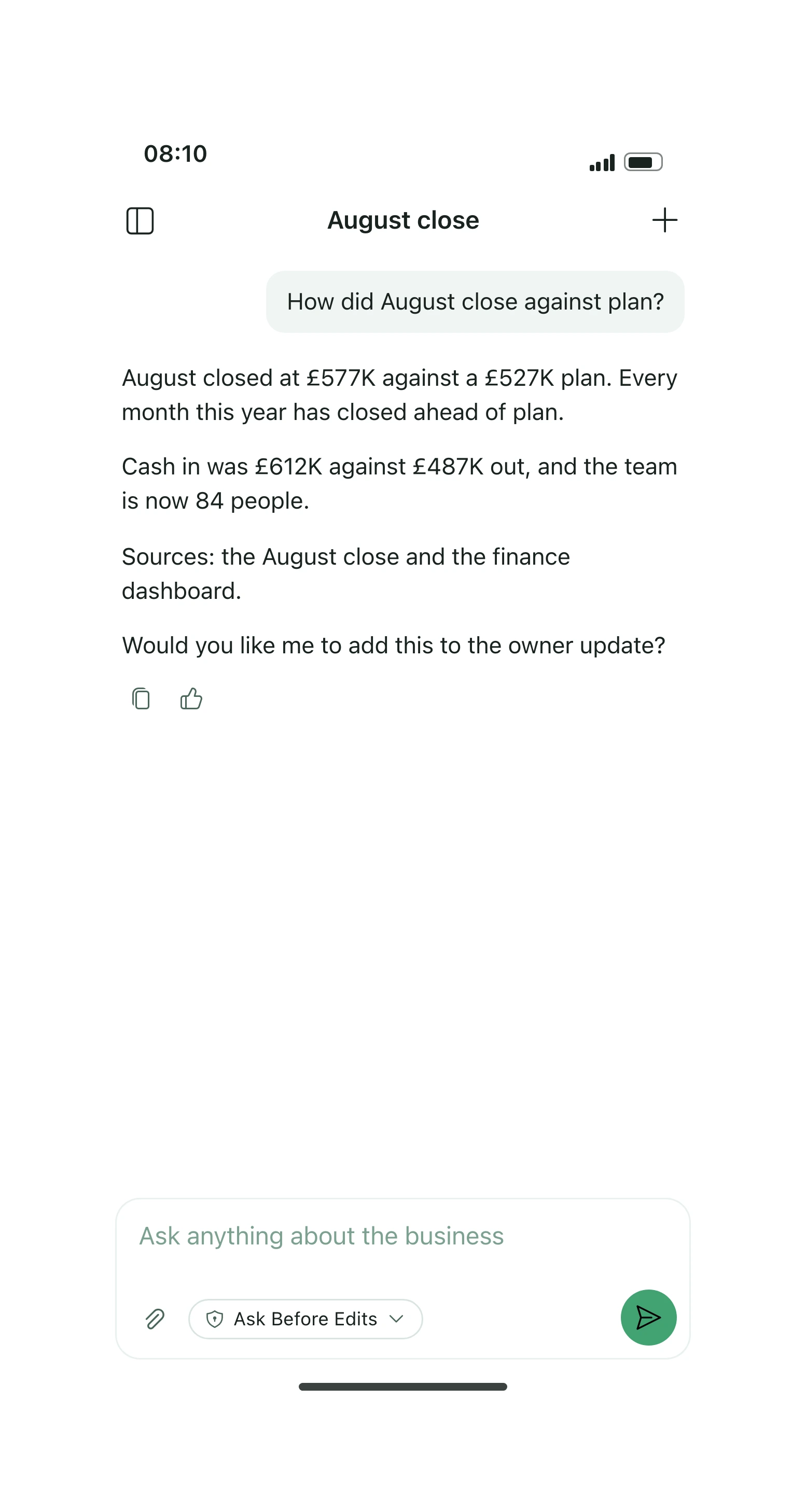
Revenue against plan · orders completed · cash in and out · team size
Start with the questions your team already asks. Agree the definitions and baseline, connect the right records, then make the operating picture part of the weekly work.
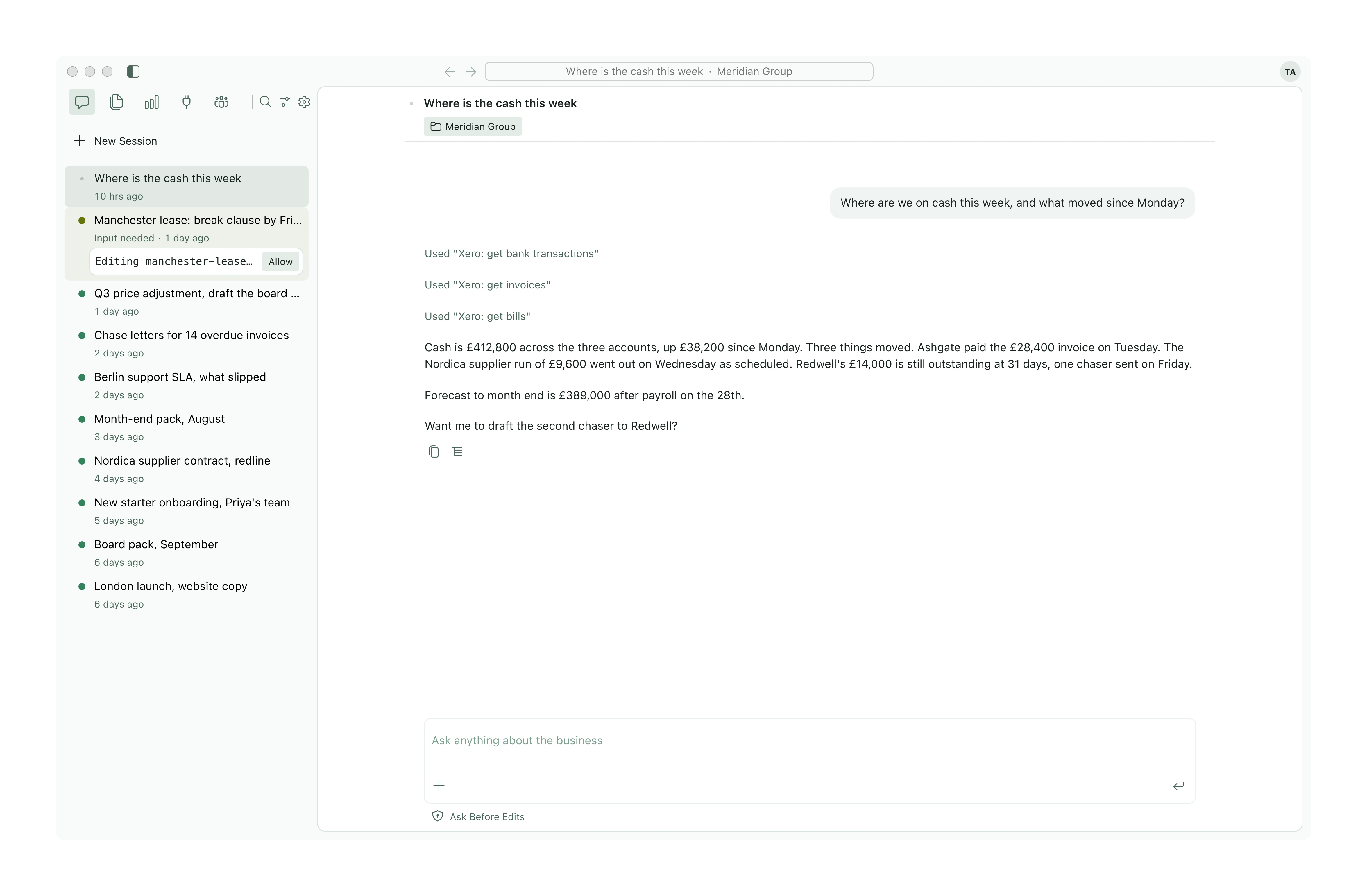
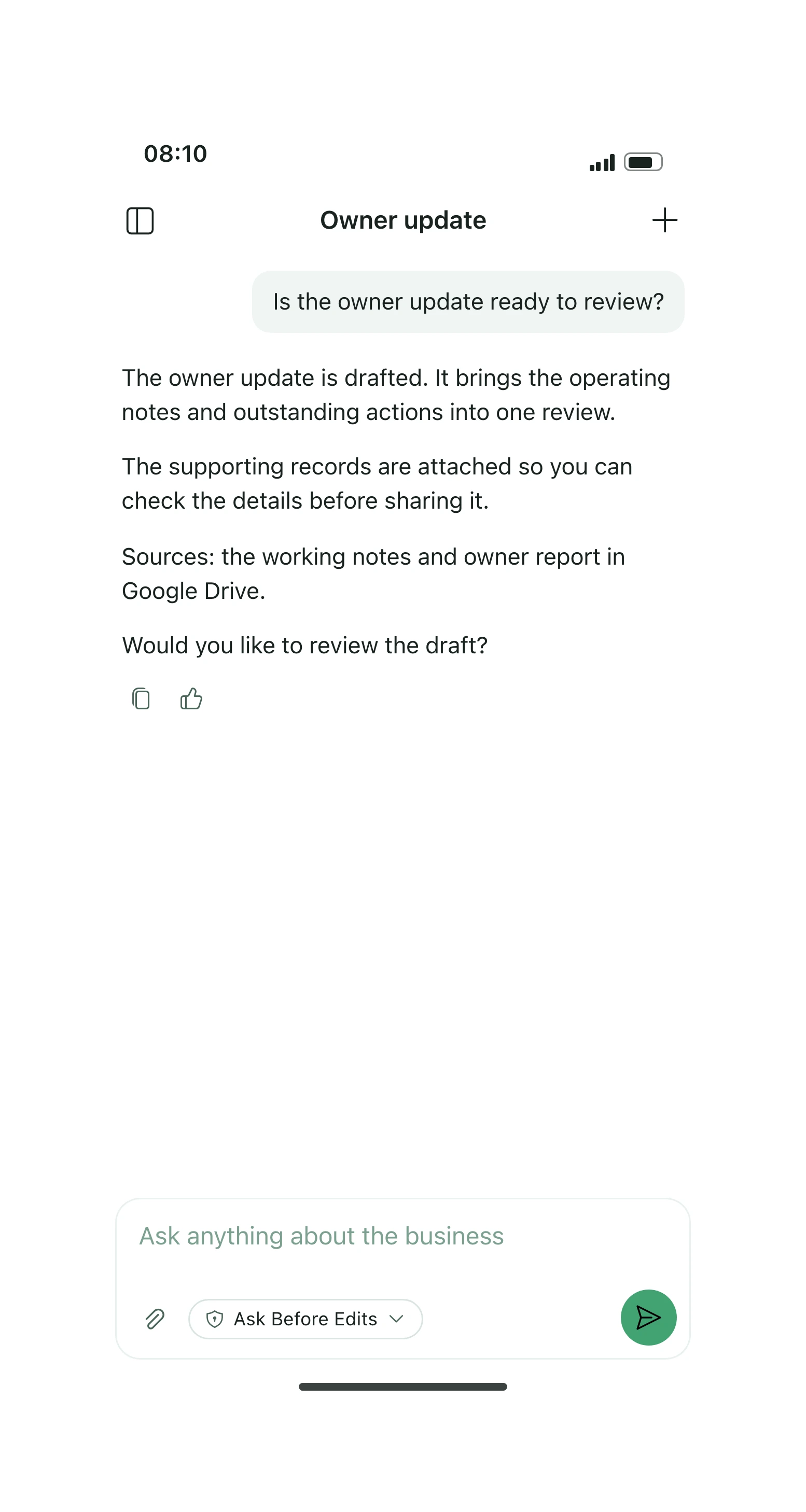
A dedicated desktop workspace, with company knowledge, working conversations and the tools your team uses. A mobile view keeps the same context close when the work moves.
Ask with company context. Inspect sources. Prepare work and review actions in one conversation.
Mobile availability is deployment-specific.
Applications built on expert knowledge, structured company information, taxonomy and retrieval, search by meaning.
One view of company knowledge, shared business definitions, clear workflow ownership, operational partnerships.
Continuum recruitment and Core Concept Living. Answers that show their sources, company dashboards, retrieval and memory.
Each company’s own app, approvals for connected actions, team onboarding, a catalogue of 1,400+ tools and sharing across the team.
Shared work that carries the company’s context.
Development themes, not exact release dates. October 2025 to April 2026 is the company’s account; May to September 2026 comes from dated records.
View development evidence ↗The installation succeeds when the team can use it on real work. That takes engineering, an internal owner and a clear outcome.
Structure company information so context can be found, understood and traced to its source. Taxonomy and retrieval make the knowledge useful beyond a single conversation.
Connect the data, tools and permissions behind daily operations. Each installation has to reflect how the company actually works, from the source of a record to the team responsible for using it and reviewing the next action.
Work with sales, marketing, finance and operations to decide what matters, what should change and how the team will measure progress. A defined workflow, an accountable owner and a useful baseline give the installation a practical starting point.
Our background combines software, data procurement, migration and resource-planning systems for large organisations with the analysis of marketing, sales and operations. That experience informs how we structure company knowledge, connect its systems and improve the work behind the numbers.
Product engineering and commercial operations meet in the same responsibility: understanding the company, building around its priorities and helping the team put the OS to work. The founders remain accountable for the quality of that relationship.
Chief Executive Officer
Leads company direction and product, drawing on software, data procurement and resource-planning experience. His focus is the architecture behind ARX and the engineering standard required to make company knowledge useful in daily work.
Chief Operating Officer
Leads operations, installation and customer success, drawing on the analysis of marketing, sales and operating performance. His focus is a clear business problem, useful measures and the internal ownership needed to make the OS part of everyday work.
Meet the founders ↗An AI OS earns its place through the work it helps people do. These principles guide how Imperium builds and runs every installation.
Learn the tools, responsibilities and daily work before configuring anything.
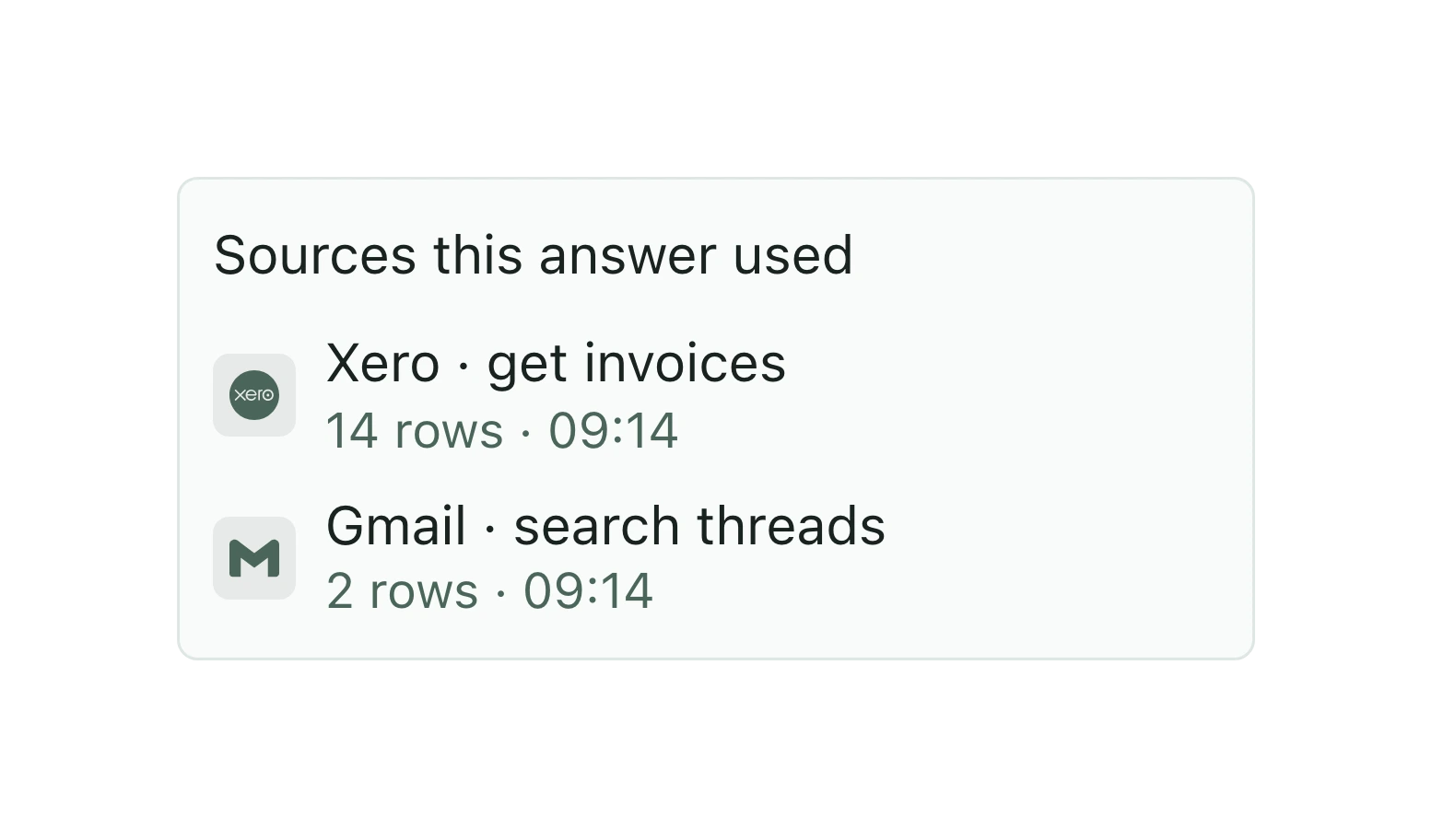
Make company context available for review alongside the answer.
Set connections and permissions around the people who use them.
Install alongside the people doing the work and develop internal ownership.
Keep engineering close as the business and its workflows change.
A 2025 Project NANDA report found that most organisations studied had not demonstrated measurable business returns from GenAI.
Read the preliminary research ↗The underlying model will change. The company’s knowledge, definitions, workflows and permissions are the foundation the team keeps building on.
Archie’s emphasis is internal champions: people who learn the OS, test it against real work and help the rest of the company adopt it.
Explore the approach ↗The product takes shape alongside the people doing the work. We map the company’s questions, build around its priorities and stay close as the team puts the OS to use.
An installation and an
ongoing engineering relationship.
Map the company,
its tools and the work.
Build the context
and agreed workflows.
Support adoption
and refine the OS.
An overdue invoice belongs to a customer, a project, a conversation and the person responsible for chasing it.
The AI OS keeps those relationships together, so every answer starts from the business itself rather than an isolated prompt.
Choose an internal champion and a real workflow. Establish what good looks like, then work through the difficult cases together.
The goal is capability inside the business: people who understand the OS, trust its boundaries and can use it without waiting for the owner.
See how in-house capability is built ↗A property company and a sourcing business start from different places. The same foundation becomes useful through each company’s own knowledge, working practices and connected tools.
Each installation begins with a defined scope and keeps improving as the team uses it.
View full story ↗A quotation can depend on the customer, property, furniture package and drawings. The OS brings that context into the task.
View full story ↗Isaac describes a central OS that knows the company and its content, connects its apps and helps turn questions into useful work.
View full story ↗View full story ↗The deployment decision starts with your requirements: where data lives, who can access it and which actions ARX may take.
Review hosting, data location and model requirements with the people responsible for your systems. The right configuration depends on what information the business holds, where it is permitted to go and how the team intends to use it. Those requirements inform the installation before connections and workflows are agreed.
Connect approved sources and configure permissions around the team’s responsibilities. Agree who should see the underlying information, who can prepare work and which actions need review before reaching a connected tool. Begin with a defined workflow so that access and operational responsibility can be considered together.
Evaluate the documented controls and current compliance status with the people accountable for security. Discuss the proposed configuration, the AI models it uses and the responsibilities on each side. The security review should establish what is supported for this installation, what requires further work and what evidence the company needs before proceeding.
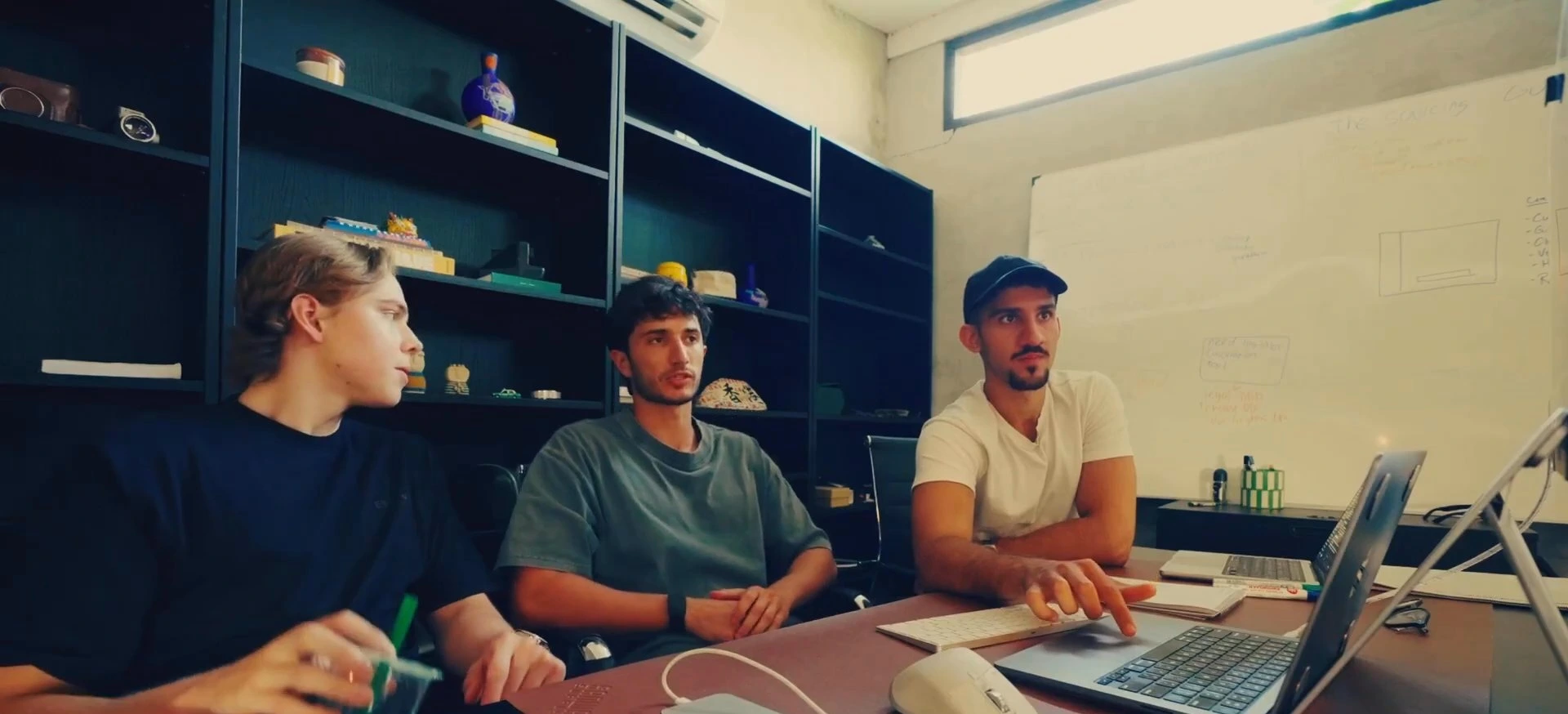
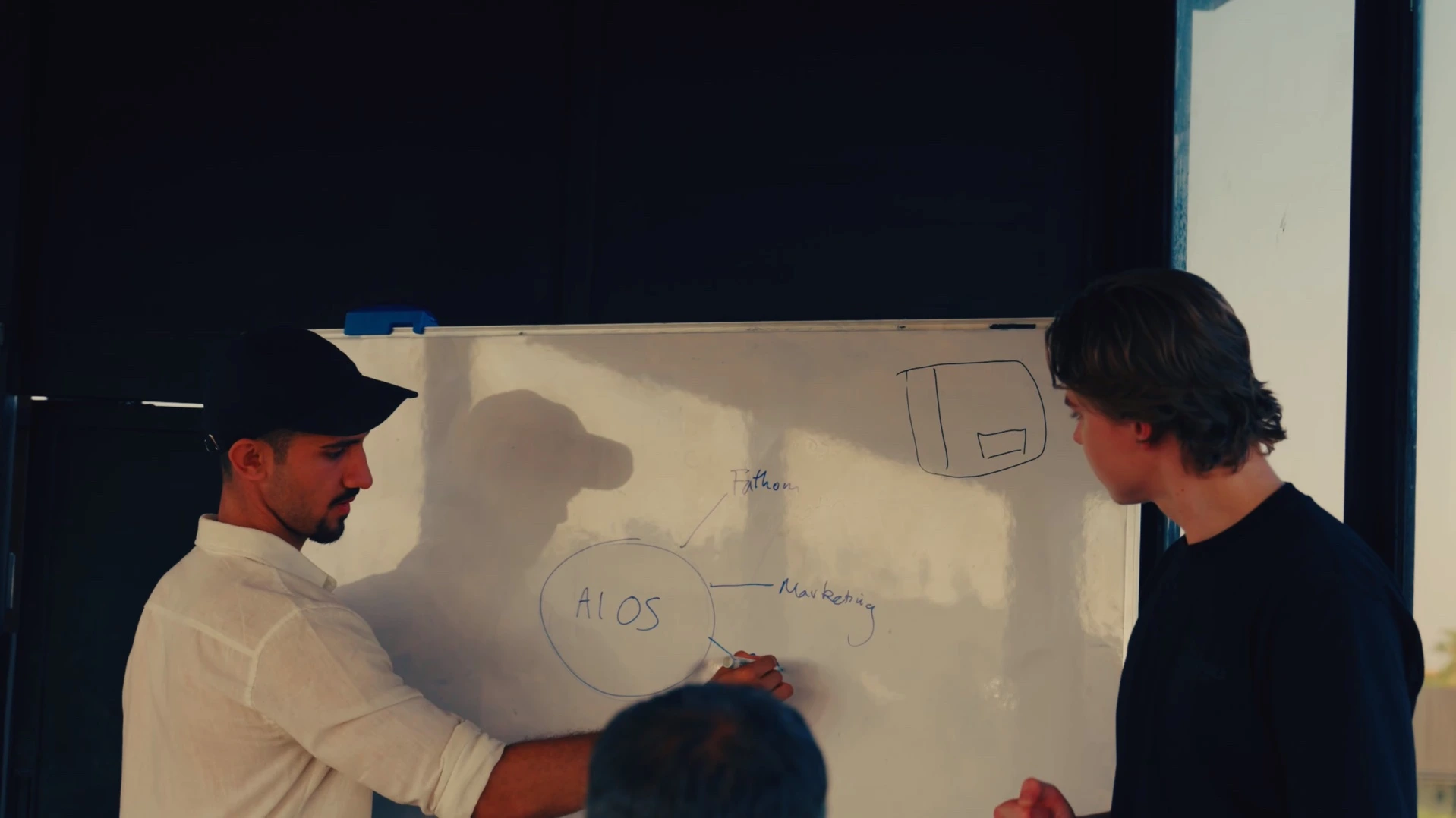
Read the security overview ↗Working session · mapping the company before the build
Architecture, product engineering, security, design and delivery.
Eddie Wong
Chief Architect
Nirav Shah
Lead Product Engineer
Otto Bonilla
Senior Software Engineer
Yuri Ivanov
Chief Security Officer
Amjad Ajzannay
Product Experience Lead
Bailey Spitzer
Creative Director
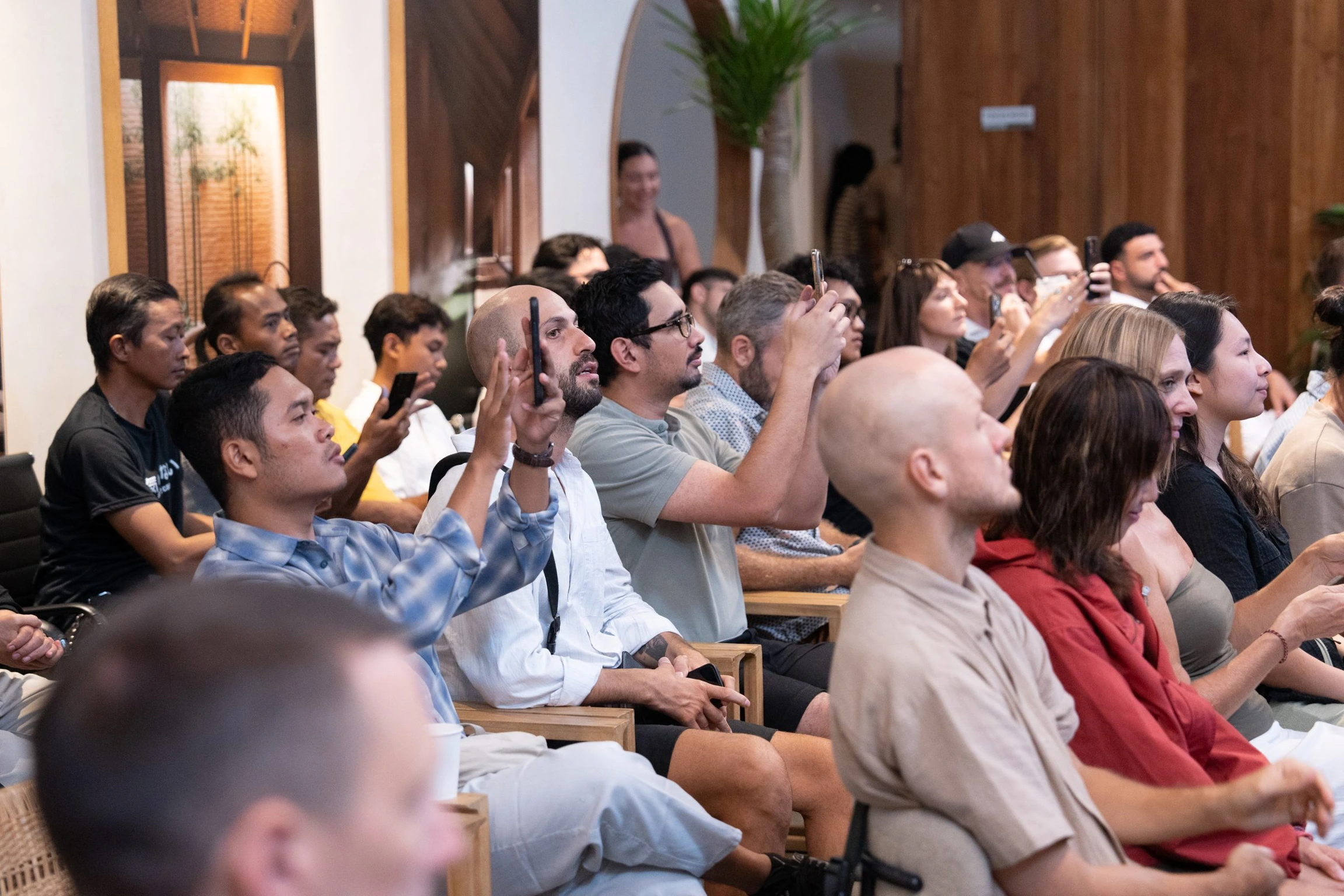
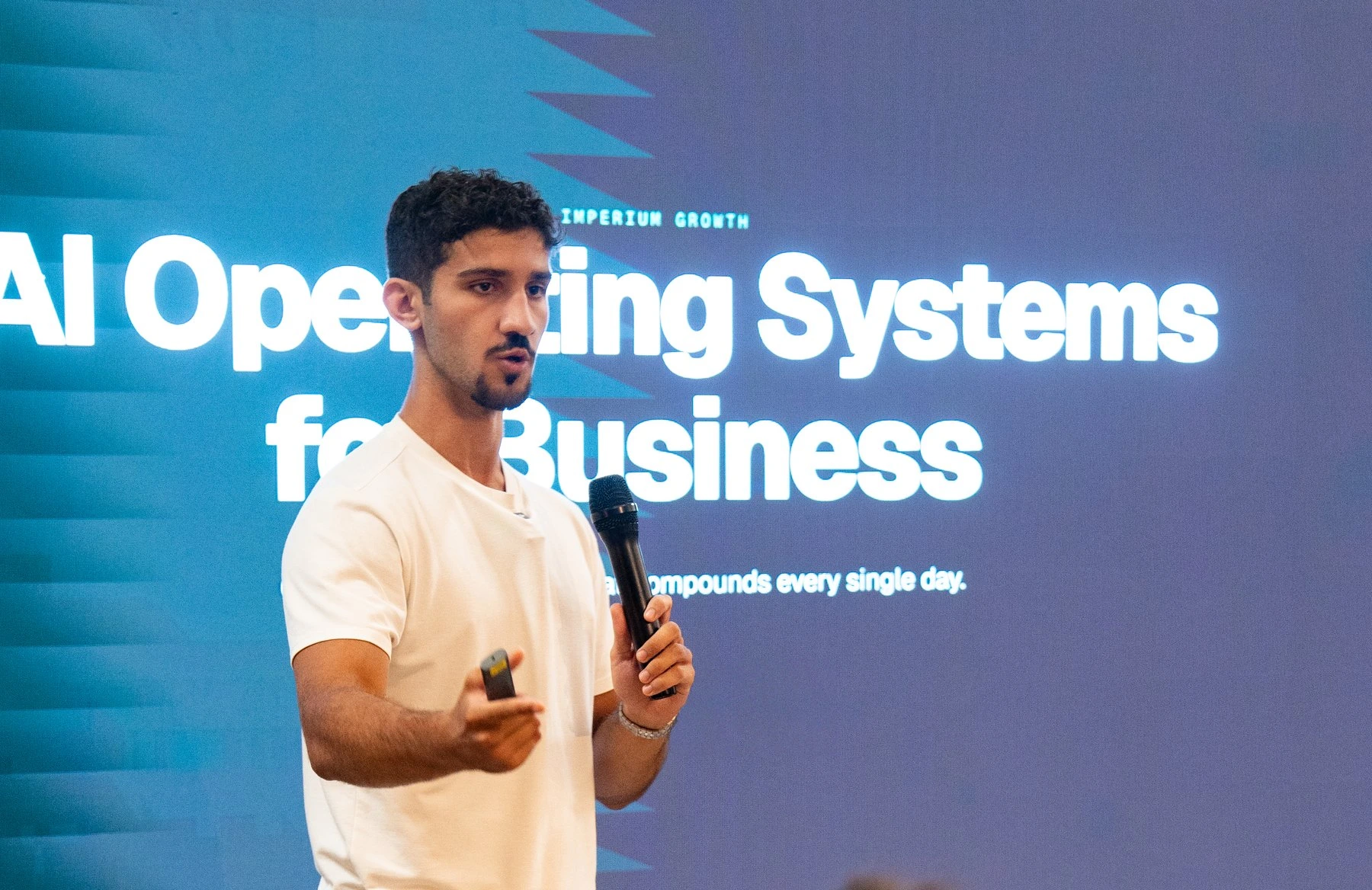
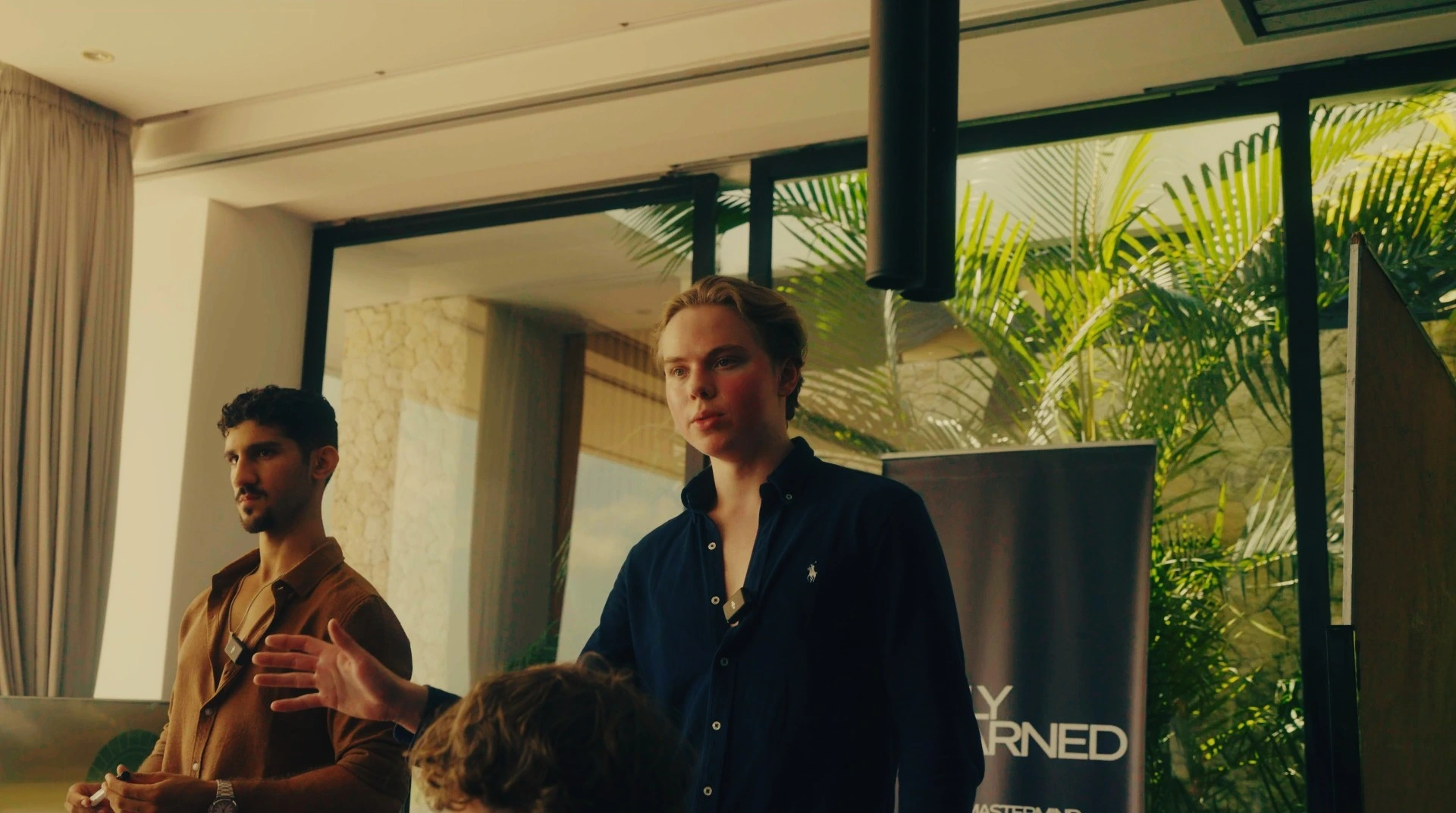
On stage · AI operating systems for business
Working sessions turn questions into product requirements. Conversations keep the engineering grounded in the company’s reality.
Time together, beyond the screen
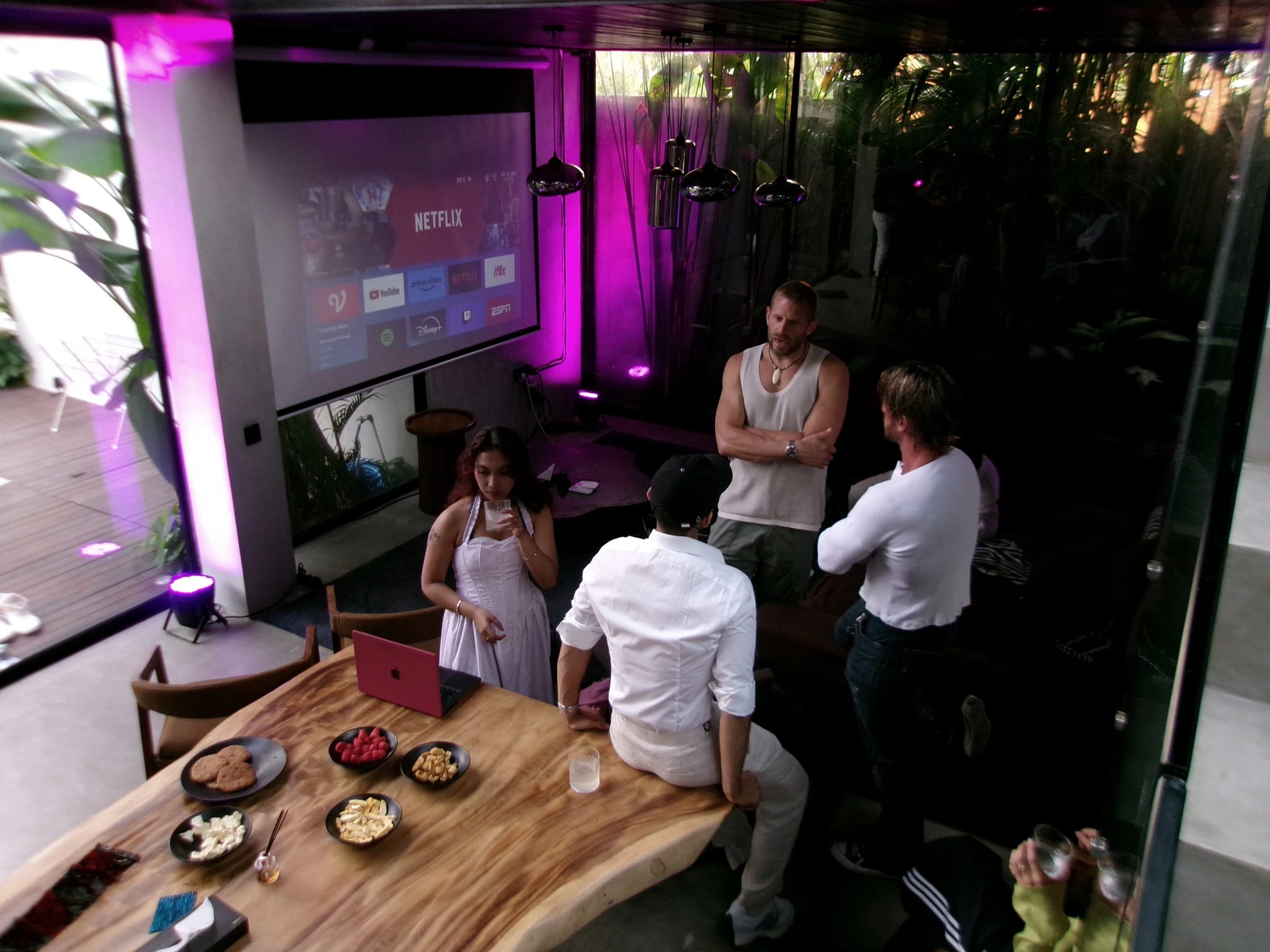
Company workshop · space to work together
Conversations with operators
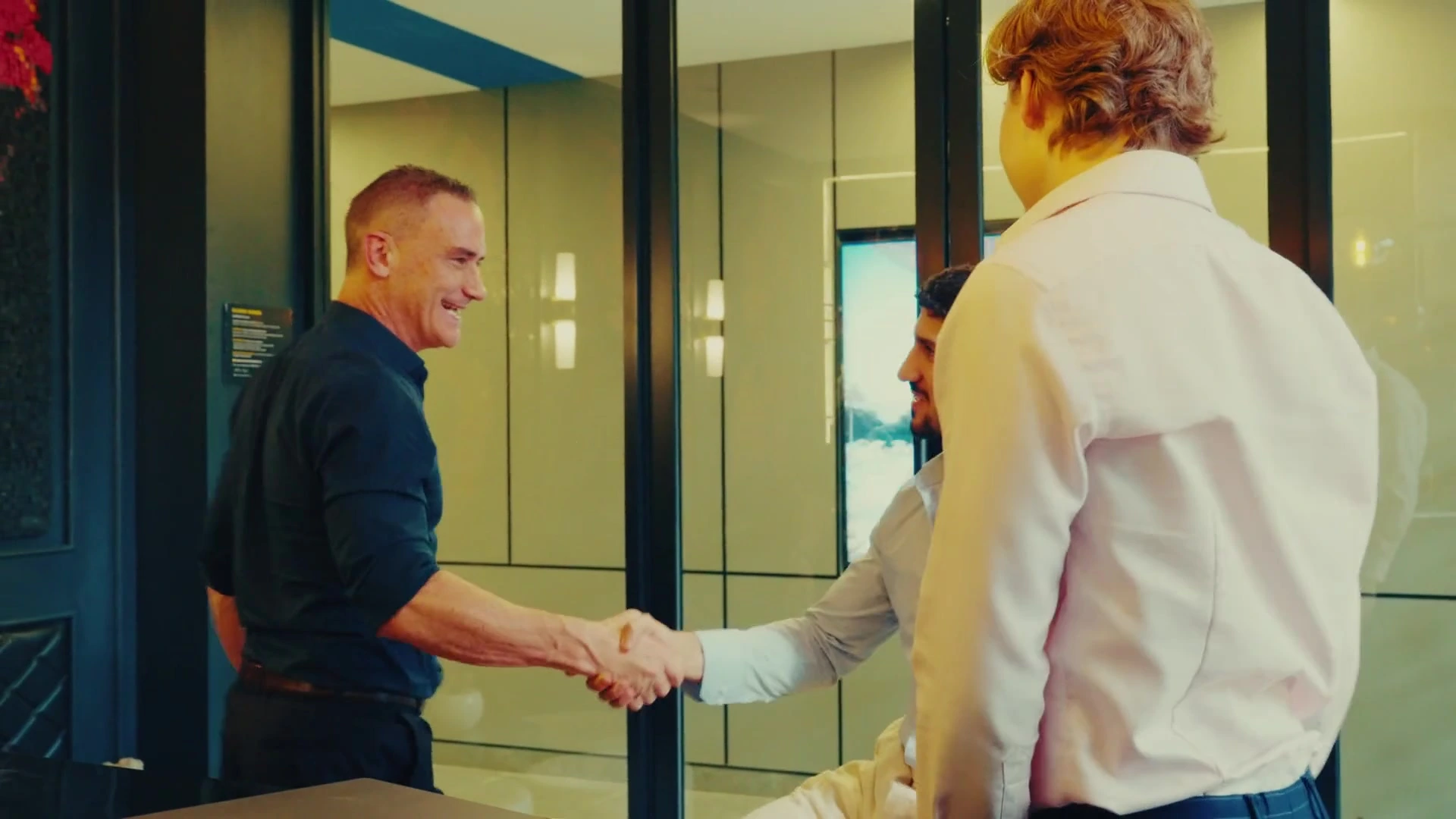
GeoNet · meeting the leadership team
As models improve, the company’s context and workflows become more valuable. The aim is to make that foundation useful in more of the work.
Keep making the application fit the company’s identity, vocabulary and operating priorities.
Help teams share useful work and its supporting context, with a clear recipient and next step.
Expand the useful workflows around authorised tools, with outcomes and permissions agreed for each company.
When the information does not join up, the usual fix is another hire, and payroll grows faster than profit. The owner still chases spreadsheets and conversations for a straight answer, and decisions wait on the same few people, however many are hired.
We begin with the business: its customers, responsibilities, definitions and the bottlenecks holding people back. We connect the relevant systems, structure their knowledge and build an application around the way the company operates. That gives each installation a practical purpose and a clear relationship to the work it supports.
A useful answer carries the context needed to evaluate it. The team can inspect the evidence, prepare its response and review an action before it reaches a connected tool. Imperium builds and maintains the AI OS alongside the company as its knowledge, people and priorities develop.
Read the company story ↗Find where your team is losing hours before you make the next hire.
Take the two-minute audit ↗